
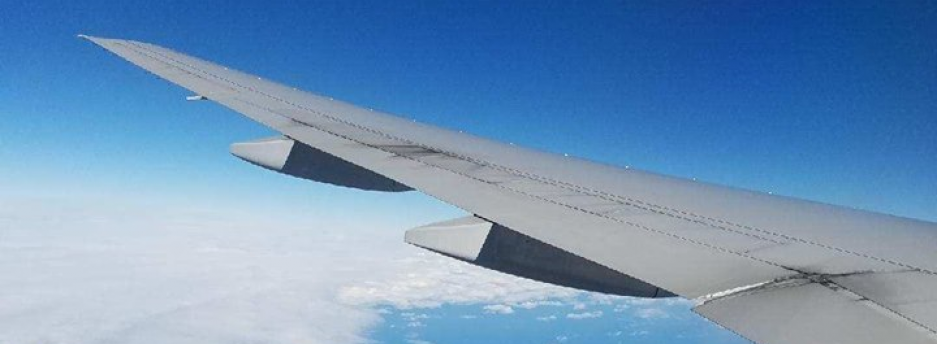
After a long day at work, I finally arrived home and decided to take some time to relax. I settled in on my space and turned on the news, hoping to catch up on what had happened while I was away. It wasn’t long before I saw a report about Hawaiian Flight 35, which had experienced some severe turbulence. It was the plane, Airbus A330-200.
What was most alarming was that 39 passengers had been injured during the turbulence. Apparently, these passengers had failed to buckle their seat belts during the flight, and as a result, they were thrown about the cabin when the turbulence hit. Fortunately, the flight crew was able to land the plane safely, and the remaining passengers were able to disembark without incident.
All in all, it was a sobering reminder of the importance of following safety procedures during air travel. Even seemingly minor oversights can have serious consequences when you’re thousands of feet in the air.
Why did I write this blog?
I would like to share some crucial travel tips with everyone out there to ensure that both you and the people around you stay safe during your travels. One of the most important tips that I want to emphasize on is the usage of seat belts during a flight.
It is unfortunate that some people tend to overlook their own safety when traveling and do not buckle up their seat belts. However, this can be a serious hazard as turbulence can occur unexpectedly and without warning. When the plane experiences turbulence, it can cause passengers to be thrown around and injured if they are not properly secured in their seats.
Therefore, it is crucial to keep your seat belt fastened at all times, especially when the seat belt sign is on. This is a safety measure that is put in place for your own protection and should not be taken lightly. In the event of turbulence, a properly fastened seat belt can prevent you from being injured and ensure that you reach your destination safely.
I am currently working on an article that focuses on the importance of safety measures while flying a plane to prevent injuries and minimize costs. When it comes to safety, the choice is simple: Would you rather invest in a seat belt or incur the exorbitant expenses associated with a visit to the hospital? It’s clear that opting for a seat belt is the more cost-effective and prudent choice.
What is turbulence?
Turbulence is a natural occurrence caused by sudden changes in air movement, leading to the shaking, falling, or swaying of the aircraft. It’s important to note that turbulence is typically minimal and does not pose a significant danger to the aircraft or passengers. However, in rare instances, turbulence can be more severe, which is why airlines always advise passengers to keep their seatbelts fastened at all times while seated.
Although flying is statistically one of the safest modes of transportation, first-time flyers may still experience nervousness about being on a plane. Some individuals even hold the misconception that flying is particularly risky. However, modern aviation regulations and aircraft designs are stringent, contributing to the extremely high safety standards of air travel. As a result, I’m enthusiastic about providing practical tips for overcoming flying fears and feeling more at ease while in the air.
What can pilots do to minimize turbulence?
Pilots are trained to navigate through turbulent weather conditions by flying at an altitude that minimizes the impact of turbulence. They generally avoid flying in cloud cover to prevent turbulence, especially below storm clouds, which can reach heights of up to 55,000 feet, making it impractical for most planes to fly over them, except for specialized aircraft like the Concorde.
Newer planes, such as Airbus 350 or Boeing 787, which can fly up to 40,000 feet depending on conditions and can minimize turbulence, but sometimes can happen based on the factors:
- Flying westbound
- Flying closer to the Tropics or Equator
- Clear Air Turbulence
- Storms, such as hurricanes, snowstorms
- In rare cases, technological conditions
To minimize turbulence and ensure a smoother ride, both the pilots and the plane’s computer can reduce the speed of the plane. This reduction in speed helps to decrease the drag that the aircraft experiences, which in turn can help minimize the impact of turbulence on the flight.
Tips for nervous flyers
One common fear that many people experience when flying on a plane is the fear of turbulence, particularly when the aircraft enters storm clouds. The perception of danger is often heightened during take-off and landing. However, it’s important to recognize that modern aircraft are equipped with advanced technology that enables them to navigate through stormy weather safely. These technological advancements allow planes to operate on automatic settings, making real-time adjustments to speed and flight conditions as needed. It’s crucial to remember that planes are designed to withstand various weather conditions, including the ability to fly at slower speeds if necessary. In the future, I’m looking forward to sharing valuable tips and strategies to help first-time flyers manage their nerves and overcome their fears when navigating through airports and flying on planes.
Conclusion
With advancements in air travel safety and reliability, it’s important to be aware that risk can still exist despite these improvements.
In recent aviation and travel news, a flight was forced to divert to an alternate airport due to severe turbulence causing significant injuries requiring hospitalization. While turbulence is a well-known hazard of air travel, proper seat belt usage can mitigate injuries during turbulent conditions.
Although turbulence is a common occurrence during flights and typically poses no threat to the aircraft or its occupants, it can induce anxiety in passengers, particularly those with limited flying experience. There are resources available to assist passengers in overcoming their fear of flying and gaining a better comprehension of and resilience to turbulence.

 I-Powers Travel - Tips, Tricks, and Stories