
Hong Kong is ideal for all purposes: solo, family, friends, etc. Hence, there are many sights, a satisfying experience, the culture, and a glimpse of night lights. It is truly a global destination, a more fun place to explore.
In this blog post, I will be sharing my personal experience of planning a solo trip to Hong Kong, which I embarked on in December 2023. I will be detailing my journey in a special edition format, where I will be taking breaks to rest, explore, discover, reflect and apply the principles of moral and ethical travel. My aim is to provide you with a comprehensive guide to planning your own solo trip to Hong Kong, while also highlighting the importance of responsible and mindful travel.
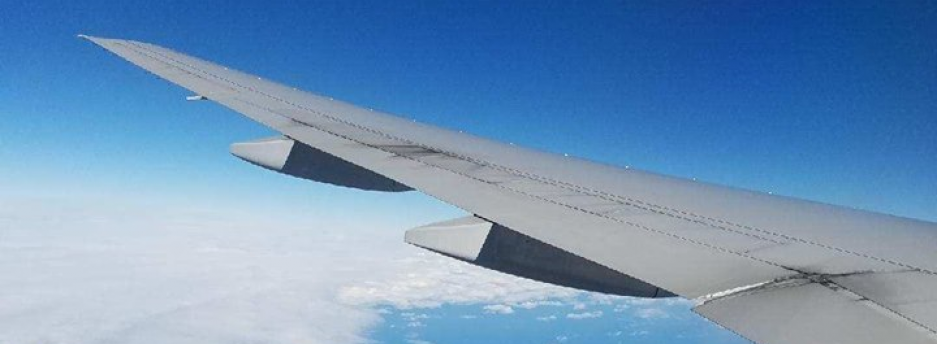
Upon my arrival in Hong Kong, I was pleasantly surprised by how smoothly everything went. Having adequately prepared myself for the inevitable “cultural shock” caused by the time difference, I was able to adjust to the new time zone with ease. Throughout my long-haul flight, I kept myself occupied by writing in my travel blog, reading a captivating book, watching an entertaining movie, or simply catching up on some much-needed sleep. As a result, I felt refreshed and energized upon my arrival, ready to embark on the purpose of my trip with enthusiasm and vigor.
And then…
As I arrived at the customs area of the airport, I found myself among a group of fellow passengers waiting to pass through immigration. It was a busy place, and I noticed many visitors who seemed to be waiting along with me. Despite the crowd, the process was quite swift, and I was soon on my way out of the airport.
As I stepped out, I realized that my first task was to check the balance on my Octopus Card which I had obtained during my last visit to Hong Kong. It had been quite a while since my last trip to this bustling metropolis, and I wanted to make sure that I could easily get around during my stay. To ensure that my card was in good working condition, I decided to visit the customer service desk at one of the many MTR stations and have it reactivated.
After taking care of this important detail, I felt a sense of excitement and anticipation as I looked forward to exploring all that Hong Kong had to offer. This vibrant city had always captivated me with its unique blend of modernity and tradition, and I was eager to experience it once again.
Octopus Card!
八達通!
An octopus card is a “must” when traveling or returning to Hong Kong. From buying groceries, dining, purchasing items, shopping malls, and convenience stores, paying for admission tickets, dining, paying for any type of public transportation, and even a photo booth, the Octopus card payment is widely accessible. All you have to do is look for the box with the infinity symbol.
That’s right, the infinity symbol.
IPT Recommendations: If you are in Hong Kong for the first time and plan to visit for a few days, you can buy a tourist version of the Octopus Card, known as the Octopus Tourist Card, which is HK$39 (non-refundable).
Like my card, the Octopus Tourist Card has a stored value, which means you can add value to that card. Unlike my card, the Octopus Tourist Card is treated with your gift of souvenirs and may be able to be used again when you have a chance to visit Hong Kong. I do not recommend an Octopus Tourist Card if you plan more than a week in Hong Kong. Instead, opt for the Standard Octopus Card.
Hours later, I was enthusiastic when I arrived at a guesthouse – Apple Hostel.
Why a guesthouse?
A solo trip to Hong Kong can be expensive, so plan and budget accordingly. A night stay typically costs between US$50 and US$65.
If you’re planning to travel soon, here are some IPT tips that may be helpful in finding a place to stay. It’s always a good idea to plan well in advance, especially as the travel industry is constantly changing. Keep in mind that some guesthouses may be undergoing renovations or may have changed their names, so be cautious when selecting the lowest price. Instead, look for reputable offers and consider paying only after you’ve had a chance to experience the accommodations. This way, if you’re not satisfied, you can easily cancel without incurring any penalties. By being proactive and doing your research, you can ensure a comfortable and enjoyable stay during your travels.
Instead, look for licensed hostels or guests with a green symbol.
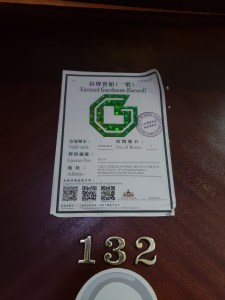
Or go on a website or call in advance.
As I made a reservation before departure, I found a guesthouse, Apple Hostel, which claimed to be “clean.” Still, in reality, it could have been cleaner. There needed to be more space with my baggage stuck in nowhere.
So, instead, I decided to stay with my parents at a better hotel, hotel 108, which my parents recommended a few days later when they arrived.
Day 1 – Tsim Sha Tsui (尖沙咀)
Upon waking up at the Apple Hostel, I realized I was well-rested despite experiencing jet lag after arriving just the evening before. I planned to write about overcoming jet lag by sharing some helpful tips. Still, it was challenging since I was eager to explore and conquer the vibrant culture and travel experiences of Hong Kong.
Before setting out, I sent my parents a quick message to let them know where I was staying. Then, I decided to go out for breakfast. I had heard many great things about the breakfast and pastry options in the area, but I was also open to discovering new places on my own.
After walking around for a bit, I stumbled upon a place called OKLM cafe, which was recently opened. I realized that I am enthusiastic about dining at cafes abroad. Interestingly, Hong Kongers and locals love spending time at the cafe.
The corner cafe’s large windows near the entrance give a great street view. We recommend coming during non-peak hours to secure a seat. The food menu is primarily Western and includes ravioli, spaghetti, burger, and risotto. An “energizer” section is also available in the morning, like the granola bowl, toast, and eggs benedict. When it comes to drinks, take your pick from lattes, teas, pour overs.
Although I had to wait about 15 minutes before getting my food, I preferred this more active approach to relying solely on Google Maps. This way, I could explore the area, take in the sights and sounds, and discover new dining places.
I decided to place my order through the mobile app, which made the process more convenient and efficient. However, I also learned that having a Wi-Fi or data connection is best to ensure a faster and smoother ordering experience when using such apps.
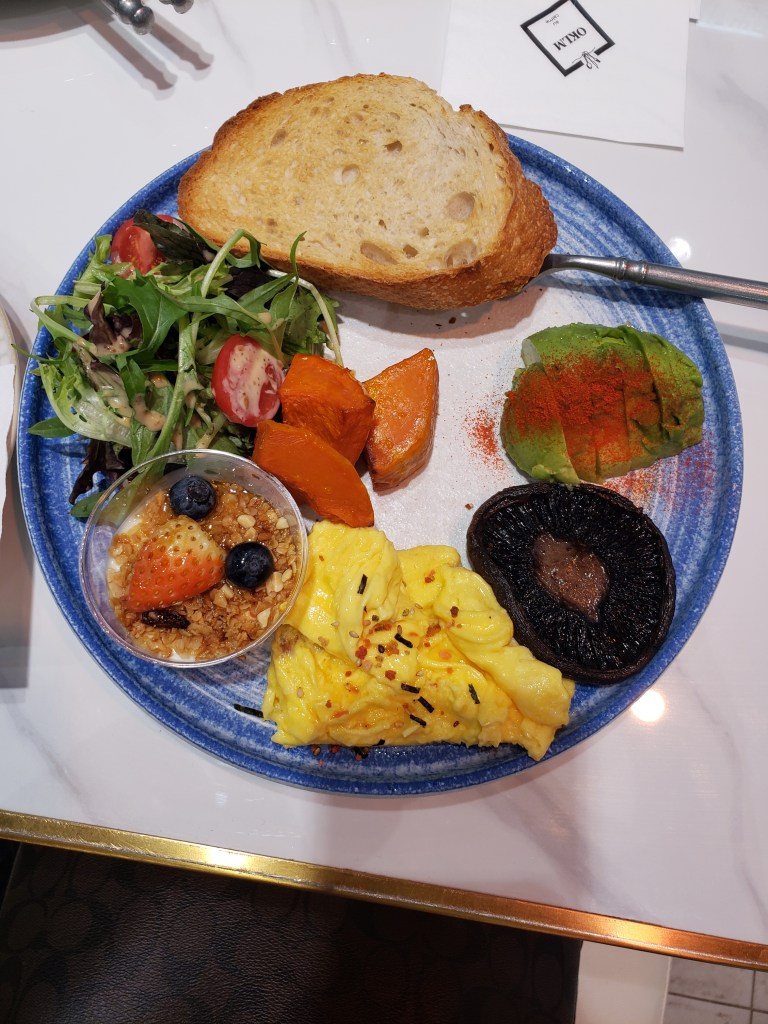
Dining Tips
When dining in Hong Kong, you may notice a few differences in etiquette. For instance, it is not uncommon for restaurants to not provide free napkins. Hence, it is recommended that you bring your own. Additionally, it is customary for locals to rinse their utensils, such as spoons and chopsticks, with water before using them. This practice is done for health and hygiene reasons, as it helps to sanitize the utensils before use. So, next time you dine in Hong Kong, remember to bring your own napkins and rinse your utensils before use.
Tips for dining in Hong Kong:
- Chopsticks are everywhere, so be prepared to use them and how to use them.
- Rinse them with hot water.
- There are limited empty tables, so you must share with strangers, especially when traveling solo.
- Don’t point at someone with chopsticks. It shows rudeness, bad luck, and evil spirits toward others.
- Lay your chopsticks at rest, not pointing at each other; don’t point them upright toward the bowl.
When traveling to Asian countries like Hong Kong, learning how to eat with chopsticks is helpful. It can enhance your experience and improve your manual dexterity.
IPT’s POV: When traveling to Hong Kong, it’s best to avoid relying on American food chains, like McDonald’s or Starbucks. This way, you can fully immerse yourself in the local culture and avoid being labeled as a tourist. Rather than relying on Google searches, try exploring the streets for a unique dining experience. Be adventurous and try out the local cuisine, use chopsticks, and don’t be afraid to sample new and exotic foods.
And I was off for the morning walk to K11 Musea, which was cloudy. Interestingly, the weather was warm and humid.
What’s so special about K11 Musea?
A recommendation has been made by IPT for K11 Musea Mall in Hong Kong, particularly for first-time visitors who enjoy shopping and exploring. It is described as a beautiful place to visit.
The Avenue of Stars, which underwent renovation between 2016 and 2018, has now been reopened to the public. If you are looking for a place to explore solo at your own pace, you will be pleased to know that you can now do so. With extensive travel experience and knowledge under your belt, you can make the most of this opportunity.

Late in the evening, I decided to have a relaxed and leisurely time. My relative H* sent me a message asking if I wanted to spend the evening in Mong Kok. We met for dinner and shared our experiences, with him telling me about his new life. We also went on a shopping spree, looking for gift exchange and souvenirs at the Lady’s Market.
Stretching 1 kilometer on Tung Choi Street, it generally sells bargain items such as shoes, souvenirs, clothes, luggage, accessories, personal items, and more.

Initially, most hawkers sold ladies’ clothes and accessories there, so it got the name “Ladies Street” or “Ladies Market.” As the market became more famous and busier, the government extended it to Dundas Street. In Aug 2000, Ladies Street had a test run of the “Pedestrian Only Zone.”
There is one thing I keep in mind when shopping at flea markets.
Tips: Be careful when buying the items as many items or merchandise may be counterfeit. It is okay to take a stroll and experience it, but it’s best not to accept the first offer. Bargaining is customary, but some have a sign saying, “No bargaining.”
And then, an anonymous asked me,
Is traveling alone at night in Hong Kong safe?
- It depends on certain circumstances—my experience when I was at Mong Kok or Tsim Sha Tsui with a bunch of people, traveling together.
- In summary, try using a buddy system, especially when planning to go to unfamiliar places.
Then, my relative H* invited me to take over the view of the beautiful night.
I had some time to myself after H* returned home as planned. During this time, I visited the ladies’ market to do some shopping for gifts and exchanges. I stayed there for quite a while, until after 9 pm.
*Name changed for privacy reasons
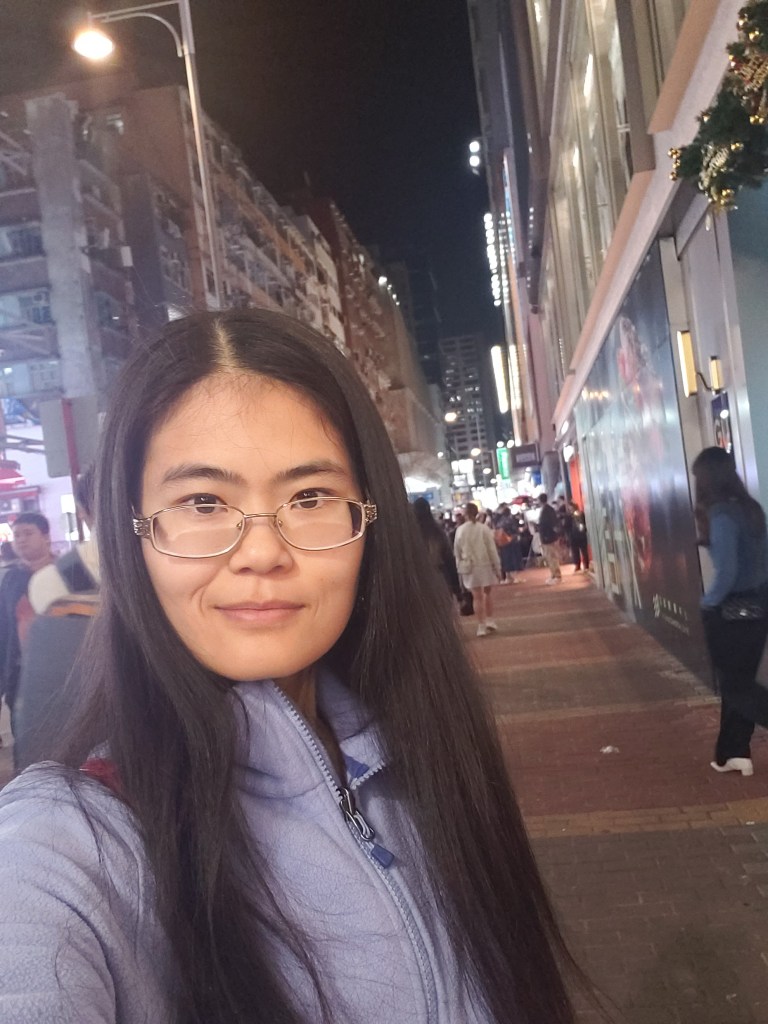
Here are my Solo Travel Safety Tips in Hong Kong:
- Always let your parents and friends know where you are, even though you are traveling solo or with someone. Stay within tourist areas, especially at night.
- Try to return to the hotel or hostel by 21:00 (9pm), except when traveling as a group or crowds.
- Carry a personal alarm and your ID card or passport if you are a visitor. Pepper sprays are illegal and are not recommended.
- Be extra vigilant when you are around unfamiliar people. A buddy system is recommended.
- Avoid demonstrations.
- Displaying maps shows you are a tourist. Instead, stop by and look at your Google Maps. Or ask for directions.
- Do not look at the phone while walking, especially when crossing the street. Same as your city; put your head up and pay attention.
- Carry all of the emergency information and put it somewhere you have it with you.
Here are the numbers you will need when traveling to Hong Kong:
Useful numbers
- Emergency services (police, fire, ambulance): 999
- Police Hotline: +852 2527 7177
- Travel Industry Authority: +852 3698 5900
- Consumer Council: +852 2929 2222
- Hong Kong Tourism Board Visitor Hotline: +852 2508 1234
- Hong Kong International Airport: +852 2181 8888
- Customs and Excise Department 24-Hour Hotline: +852 2815 7711
- Hong Kong Immigration Department: +852 2824 6111
- Hongkong Post: +852 2921 2222
- Department of Health: +852 2961 8989
- Hong Kong Observatory (for weather information): +852 1878 200
- Telephone directory enquiries: +852 1081
IPT TIps and warnings: It’s important to note that when you are visiting or living in a foreign country, you are subject to their local laws and regulations. In case of any legal trouble or arrest, it’s crucial to understand that the embassy or consulate may not be able to intervene on your behalf due to the limitations of their jurisdiction. You may have to deal with a justice system that operates differently from what you are used to in your home country or the USA. It’s recommended that you familiarize yourself with the local laws and customs to avoid any legal complications during your stay in the foreign country.
My motto is “Respect the laws,” and you will be fine.
我嘅座右銘係“尊重法律”,你會冇事嘅。
IPT Tip: English is the official language in Hong Kong, but not all locals are fluent in it. This can lead to a language barrier when trying to communicate with them. To overcome this, it might be useful to learn some basic Cantonese phrases before traveling to Hong Kong. The main language spoken in Hong Kong is Cantonese.
Day 2 – Central (中環)
When faced with the challenge of deciding where to have breakfast, I might be inclined to turn to Google Maps. However, I prefer to document their travel experiences and make spontaneous choices. For instance, taking a stroll around the new and scenic environment of the Mass Transit Railway (MTR) (港鐵) Central can be a great way to discover new breakfast spots.
Tips when riding public transportation, including MTR:
- Octopus Card is a ticket for all train stations, buses, small minibusses, trams, and ferries.
- Be considerate when traveling with crowds.
- Always watch out for your personal belongings. Try to carry your bag in the front instead of the back.
- Don’t eat or drink on trains, stations, or buses. Save it when you exit the system.
- Lower your voice. Noise, including yelling or screaming, can be a nuisance.
- Offer seats to pregnant, elderly, people with babies, or mobility devices.
- No spreading of spaces nor invading someone’s personal areas. Take one seat per person, even though you have some bags from the shopping spree.
- Walk, don’t run.
- Let the passengers get off before you get on.
You may be expected to stand for the entire duration of the subway, depending on where you are heading.
Headed for the exploration, I spotted something spectacular – LDC Cheung Kong Garden.
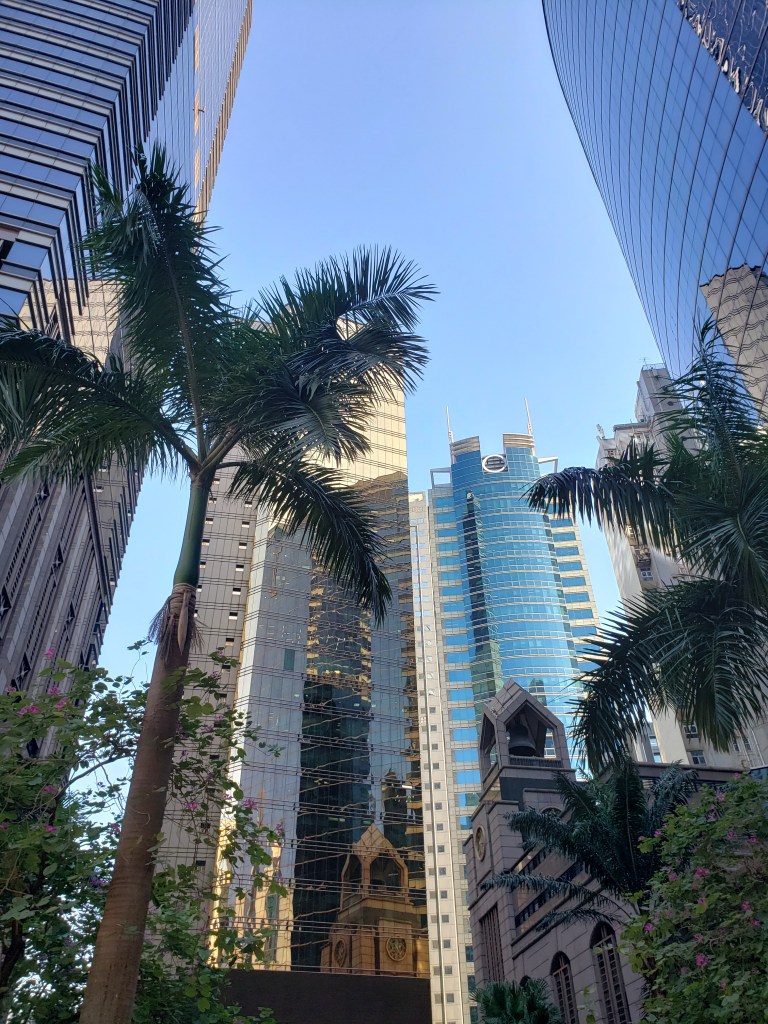

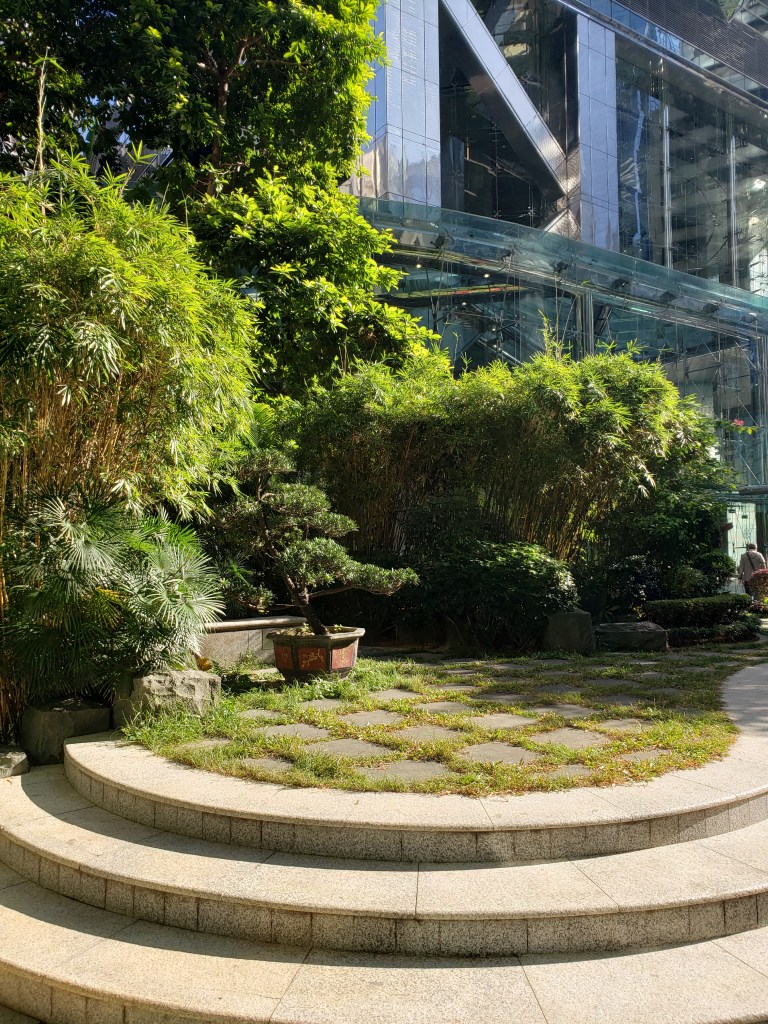
Stunning!
Resting and taking notes, I spotted something standing out.
And…
Later, I headed to the IFC mall, strolling at my own pace, texting my friends about their Hong Kong experiences.
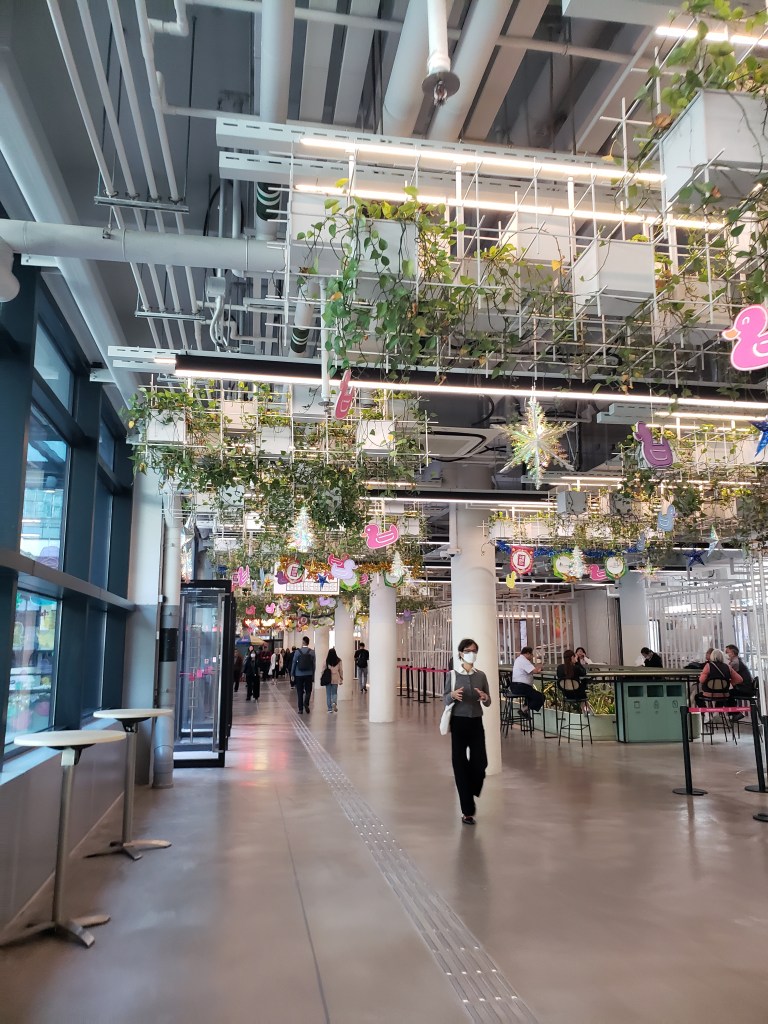
During my trip to Hong Kong, I found myself with some free time and reached out to my travel friend, S*, for recommendations. She suggested that I visit Victoria Peak, which is a must-visit attraction in Hong Kong and can easily take up an entire day. Having visited the place herself, she highly recommended it as a great way to experience the city’s breathtaking views.
*Name changed for privacy reasons
After lunch, I walked for approximately 1.5 kilometers, and I spotted this sculpture.

IPT Tips: I recommend using your Octopus card to pay for the tram ride to Victoria Peak and the Sky Terrace 428. Skip the line, and you will save time.
Then, using the Octopus Card, I was finally ready to take off to Victoria Peak (太平山) by tram.
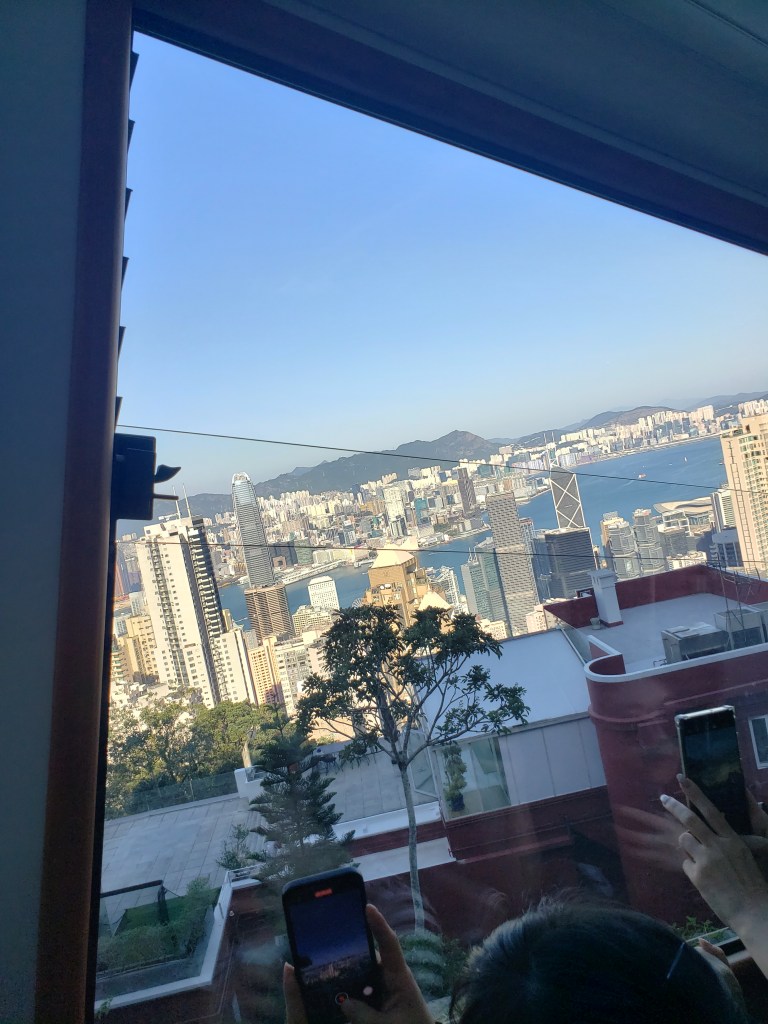

Tips: If you are a first-timer on the tram, let you experience ear-popping as you ascend or descend the slope. You may also feel your head gravity too. It is best to stay seated if you have experienced gravity. But I highly recommend taking some pictures as you ascend.
Arriving at the peak, plenty of souvenirs and shops were still around.
Just then, I decided to move on and, instead, experience when I ascended up to the roof.
Then, I decided to visit the top, such as Sky Terrace 428, another breeze, and an overview of Hong Kong.
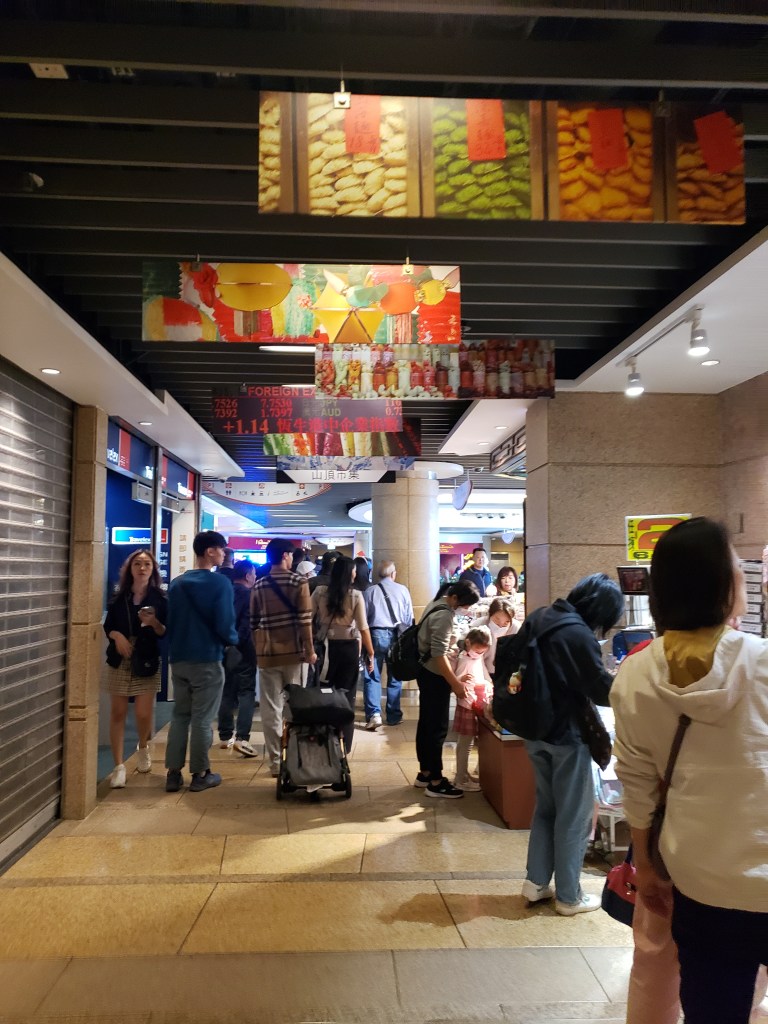
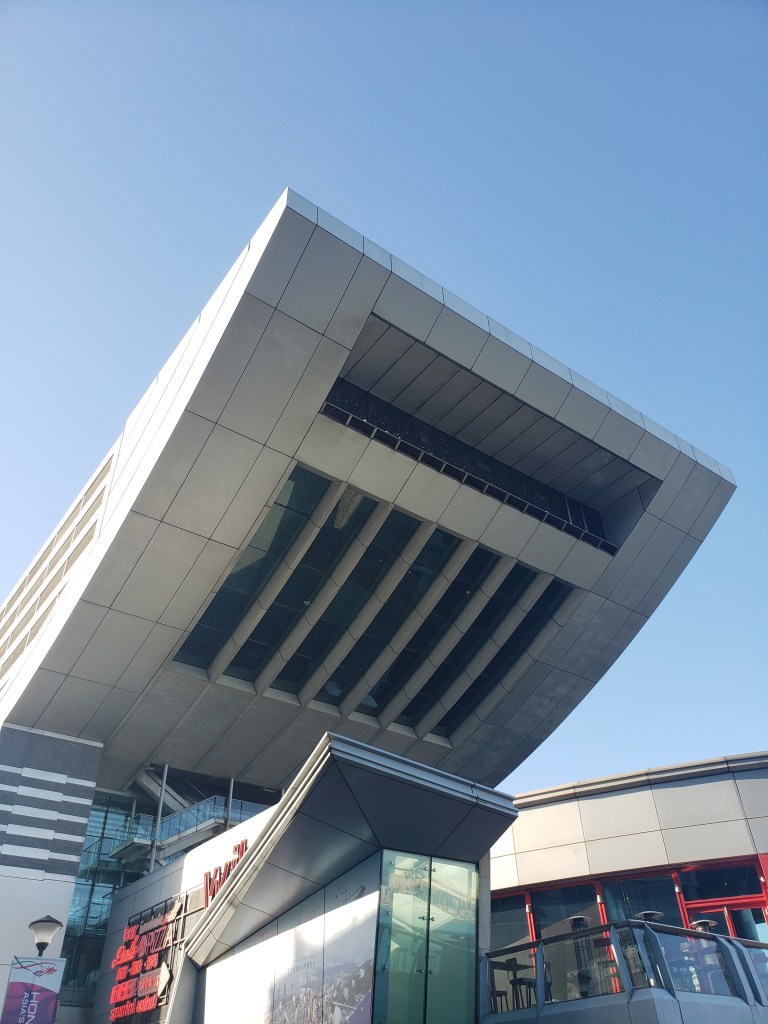
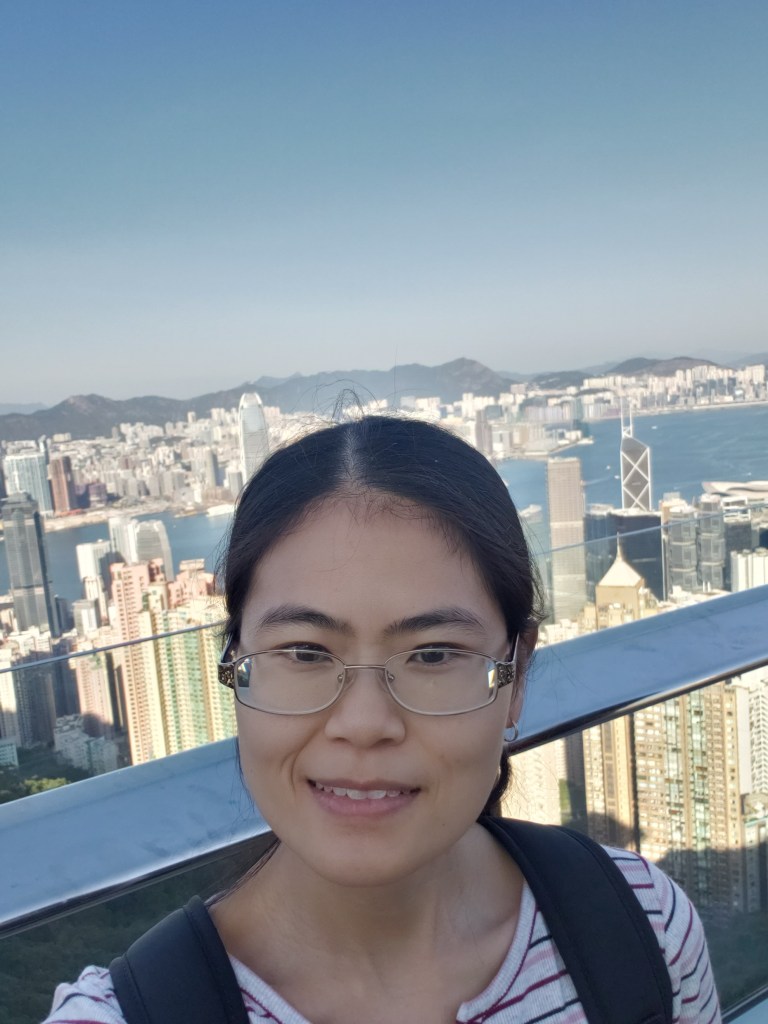
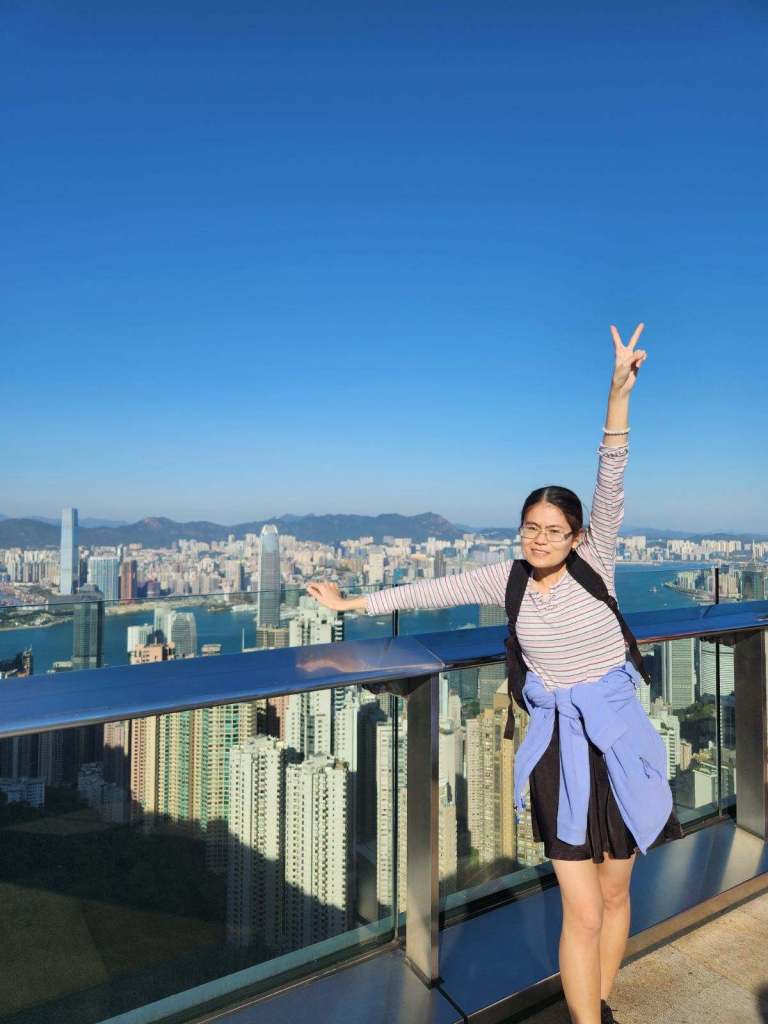
I spent about 35 minutes looking and relaxing at the rooftop as I took a deep breath.

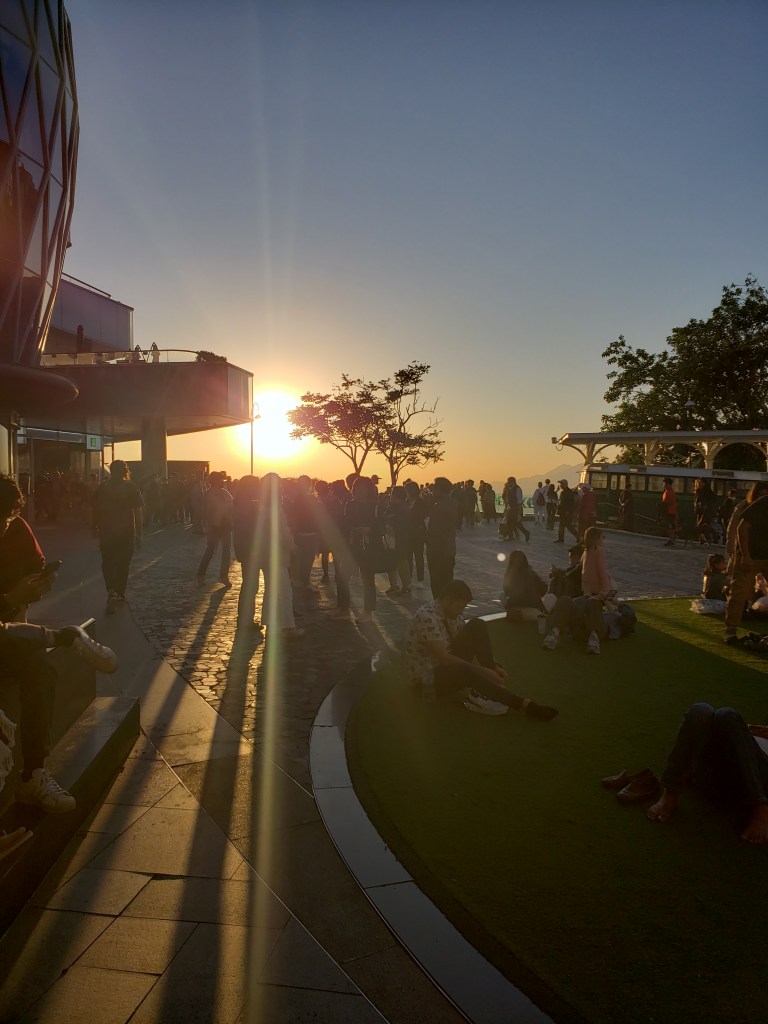
I soon headed for a walk and, finally, to the Peak Galleria shopping mall for an afternoon breeze and a snack.
Taking some experiential notes of what I saw during the day, I jogged down to provide specific information to the public before heading to the hostel for the rest.
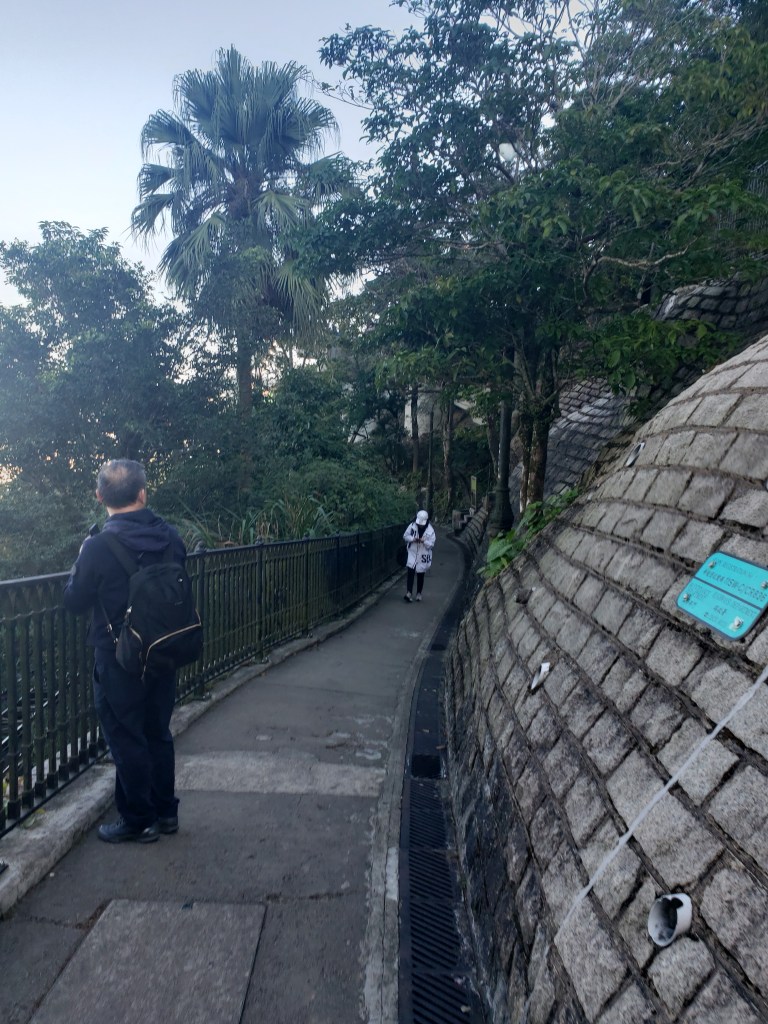
I decided to take a Taiwan food cruise at 7 pm. I went to a restaurant called 小麻吉滷肉飯 for dinner, which reminded me of the authentic Taiwanese taste I experienced during my 2020 virtual vacation. During my virtual travel experience, I wrote a story about my travel experience in Taiwan.
Day 3 – Experience like a Traveler (像旅行者一樣體驗)
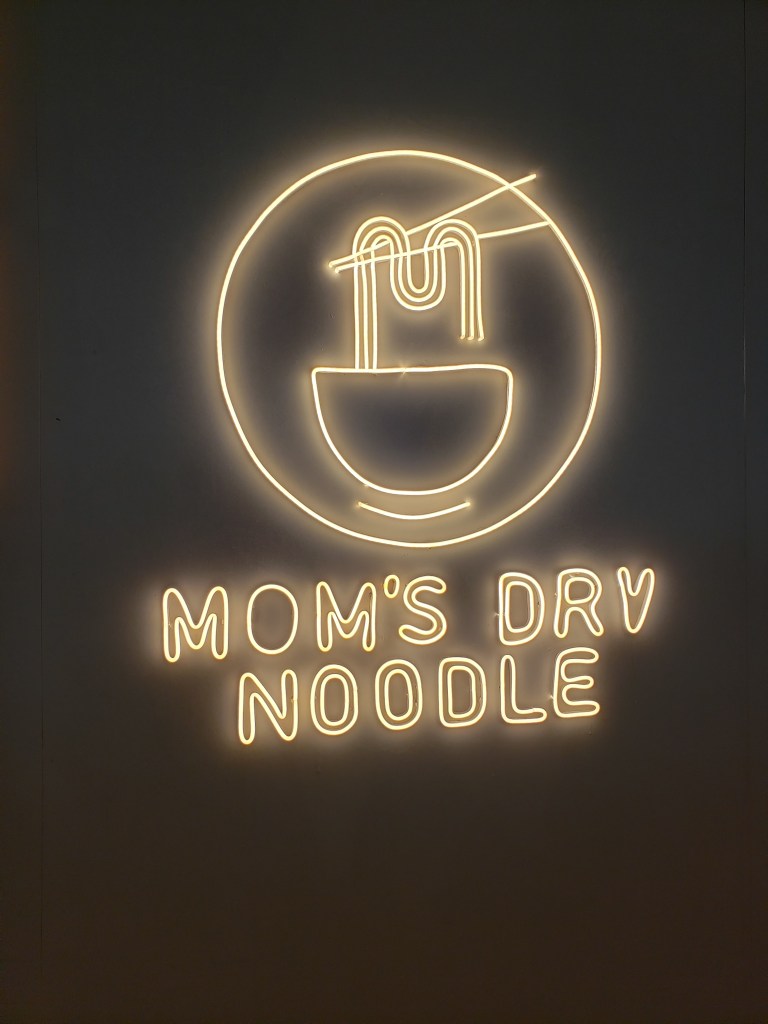
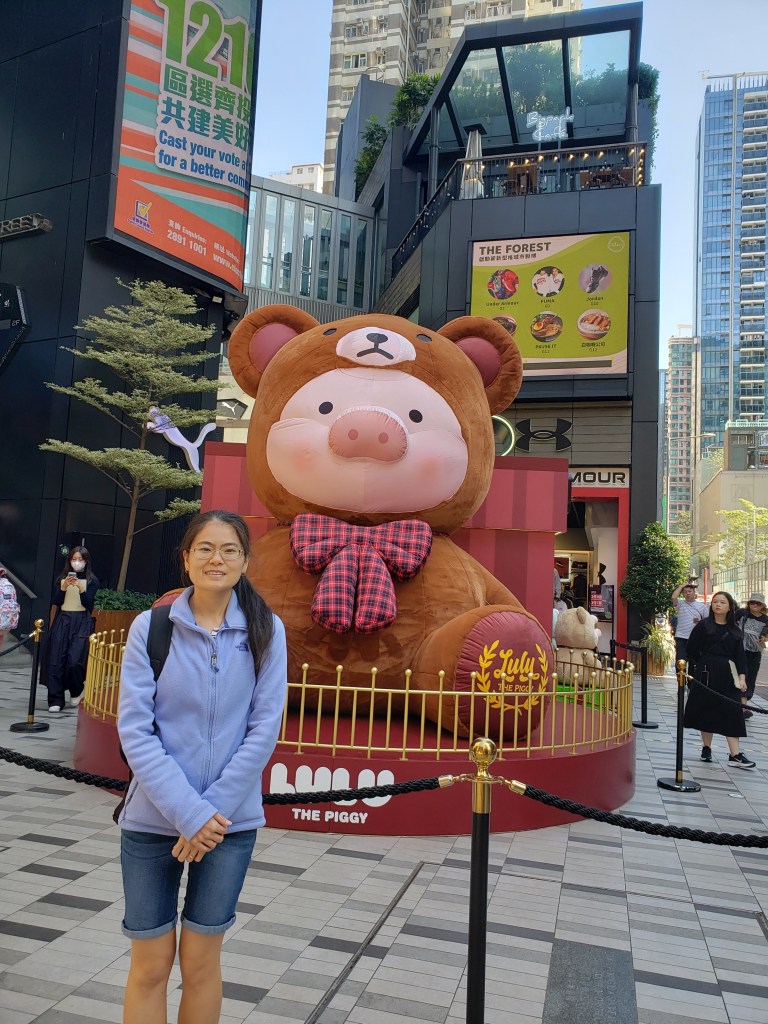
On a leisurely day with no prior engagements, I decided to spend my time finishing up my blog before meeting up with a friend who shares my passion for travel. I started my day by visiting “The Forest,” a shopping mall that was quite different from the usual ones I have visited. It had a variety of stores with generic names, but I stumbled upon an interesting store named “Mom Dry Noodles.”
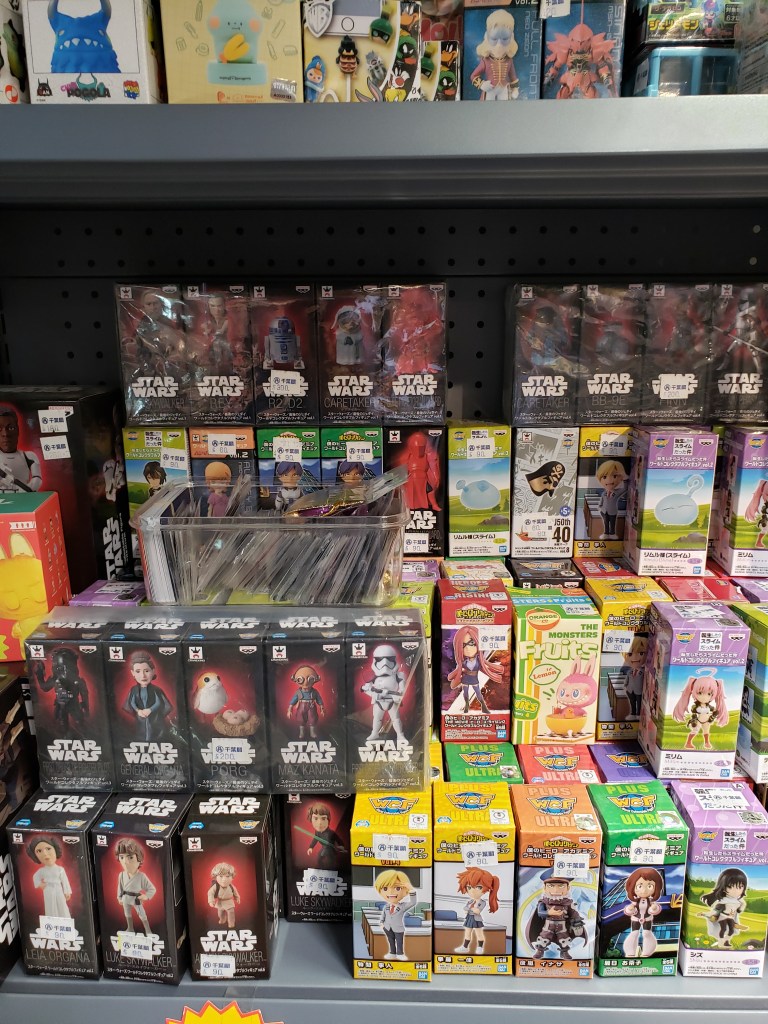
After exploring “The Forest,” I headed north towards the Fa Yuen Street Market. The market was bustling with activity, and I decided to have my lunch there. While exploring the market, I came across a shop called “Top This,” which was a hidden gem on the 2nd floor. The shop had an array of Japanese merchandise that piqued my interest, and I added visiting Japan to my bucket list.

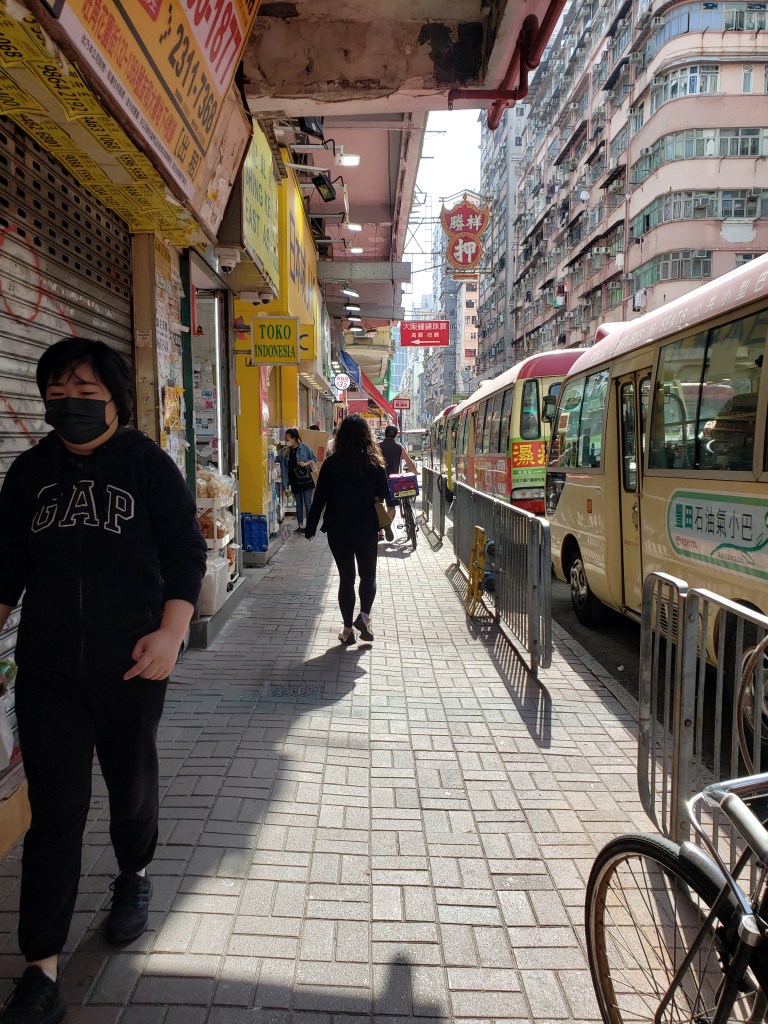
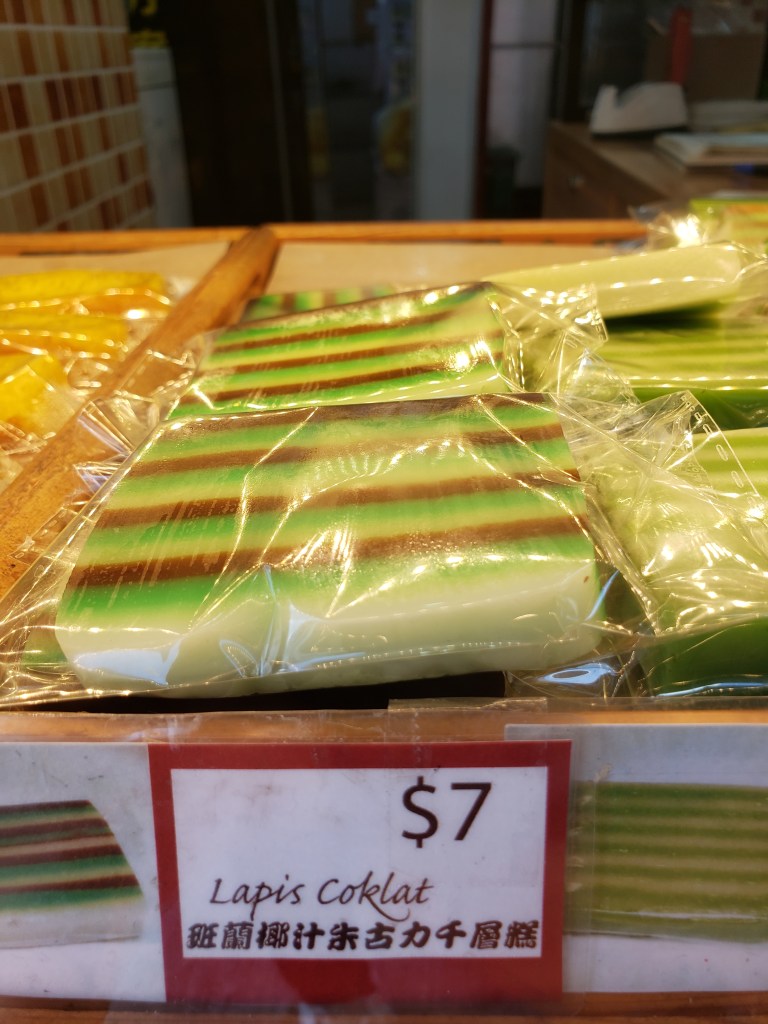
After leaving the market, I walked across the Fife Street overpass, which had a beautiful window view. I then reached Argyle Place, where I shopped for clothes and spotted some unique pieces that added something extra to my wardrobe.
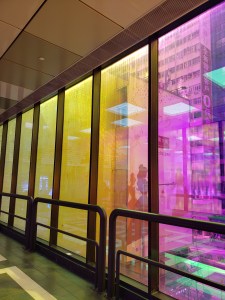
Having traveled tirelessly for two days, I was feeling exhausted and decided to head back to the hostel to get some rest before my big day. Later in the evening, my family arrived, and we had a great time catching up and enjoying each other’s company.
Day 4 – Hong Kong Fisherman’s Wharf, Aberdeem (香港漁人碼頭,香港仔)
If you’re looking for an experience that is truly authentic, I would suggest using Viator to book a tour. Viator is a reputable platform that offers a wide range of tours and activities, ensuring that you get the most out of your travel experience. By booking through Viator, you’ll be able to discover hidden gems that you might otherwise miss out on, while also getting the guidance of a knowledgeable local guide. With Viator’s commitment to quality and safety, you can rest assured that you’ll have a memorable and enjoyable experience.
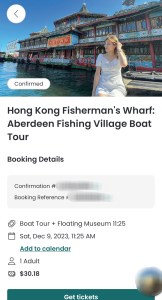
After taking the MTR and switching to a bus, I found navigating my way to my destination to be a breeze, thanks to Google Maps. As I boarded the bus numbered 70, I approached the driver to confirm if it was headed towards Aberdeen and was greeted with a reassuring nod and a thumbs up.
As I settled into my seat, I felt a sense of calm wash over me, knowing exactly where I needed to get off. With an hour to spare before the scheduled 11:25 tour, I was reminded not to fret about missing out on the things I enjoyed.
Upon finally finding the check-in location, I was thrilled to have some time to explore Aberdeen and stretch my legs. I decided to take a leisurely 30-minute stroll around the area, which was relaxing and refreshing. During my walk, I even managed to write a few more blog posts and stumbled upon a ministry where they sell souvenir items.
Later, I joined a tour group of 22 other passengers and was fascinated to learn about the rich history of Hong Kong. Our first stop was at the quaint little fishing village of Aberdeen, where we had the chance to listen to the locals’ fascinating stories about their daily lives and how they make a living in this traditional village.
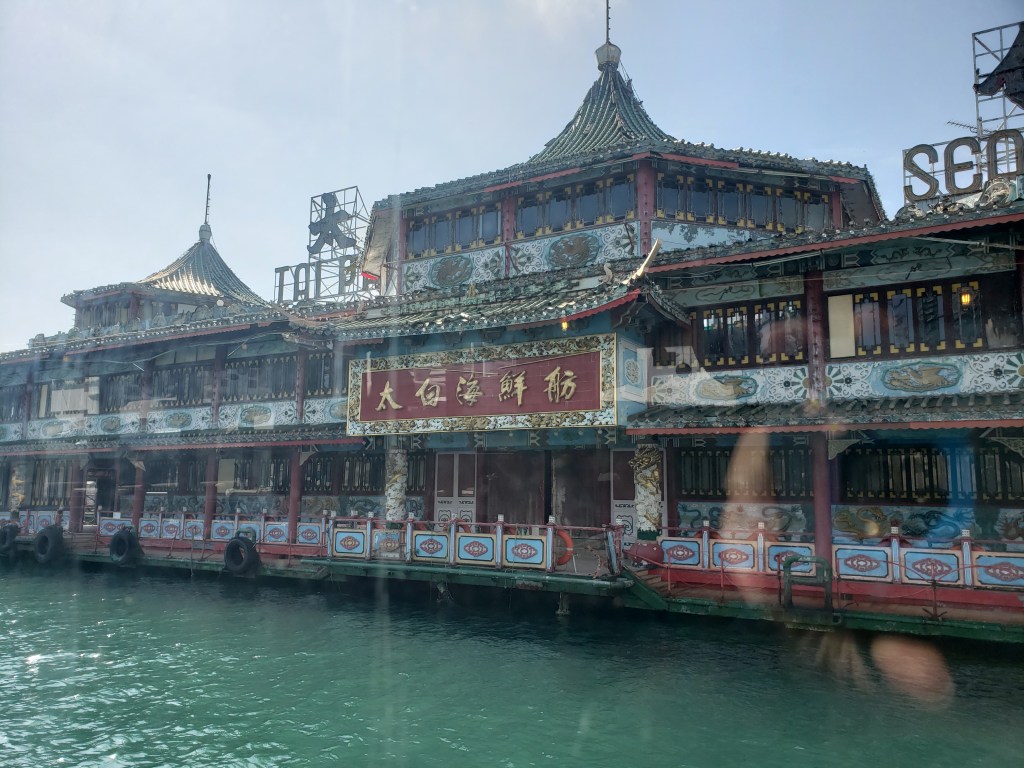
During our tour, we came across an intriguing sight – the Jumbo Kingdom, a floating restaurant located adjacent to the Tai Pak Floating Restaurant. Unfortunately, it was closed during our visit due to repairs being made to it. However, it was astounding to learn that the once-famous floating restaurant had now sunk, leaving behind a trace of its glorious past. Despite the unfortunate situation, our tour guide provided us with a detailed account of the restaurant’s history and how it had become one of Hong Kong’s most iconic landmarks. Overall, it was a remarkable experience that gave me a greater appreciation of the city’s culture and history.
I heard that the Jumbo Kingdom was a 260-foot restaurant that had been popular among celebrities. Both Queen Elizabeth and Tom Cruise were fans and often spotted in movies and films. It would have been great to take some pictures to remind us of this historical landmark.
During my recent visit to the boathouse, I had the opportunity to learn about the living conditions that were typical during the 1950s and 1970s. One of the most fascinating things I learned was that the kitchen used firewood to cook food such as rice and fish. It was interesting to note that there was only one stove in the kitchen, which was quite different from the kerosene stove that was later introduced in the 1960s and 1970s. However, there were several fire hazards associated with the use of firewood, which often led to boats catching fire.
The boathouse that I visited was preserved in order to remind us of the history of the event. The boathouse had only one bedroom, which was shared by a number of boathouse members. It was a tiny room, with hardly any space between the bed, and members often complained about falling off the bed while they slept. In addition to the bedroom, there were two other small rooms. The first was the working room, where members would gather to complete various tasks. The second was the collection room, where they kept all their information and inventory. It was fascinating to see how the boathouse was organized and how the members made the most of the limited space available to them. Overall, it was a unique and educational experience that gave me a glimpse into the past.
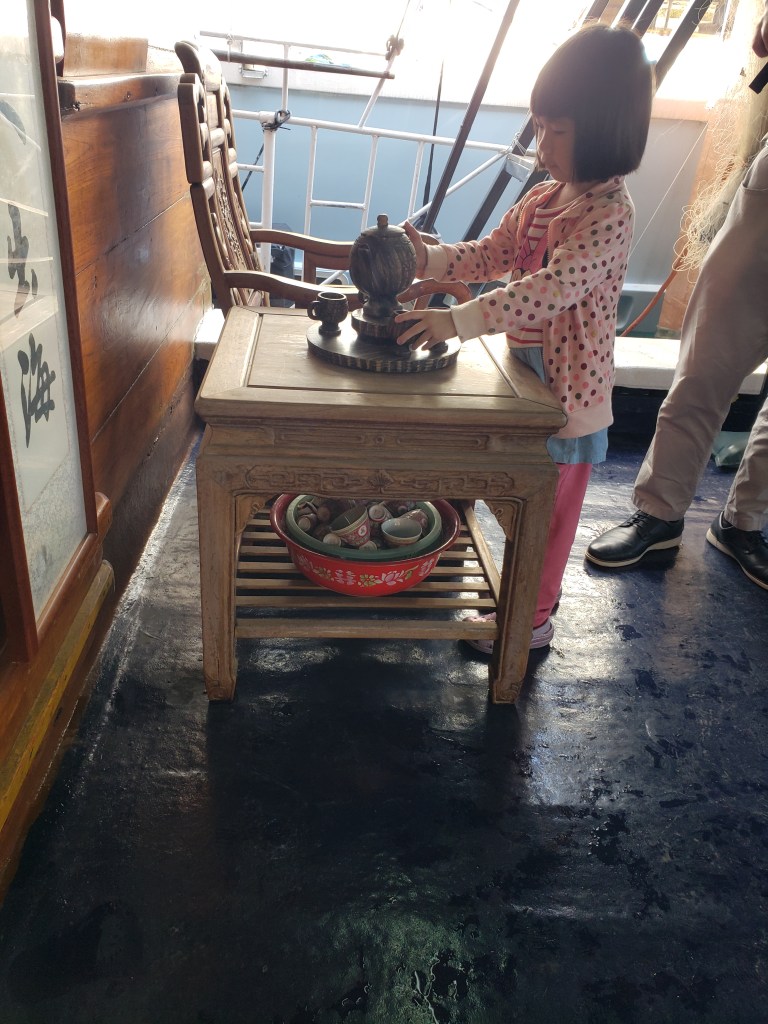
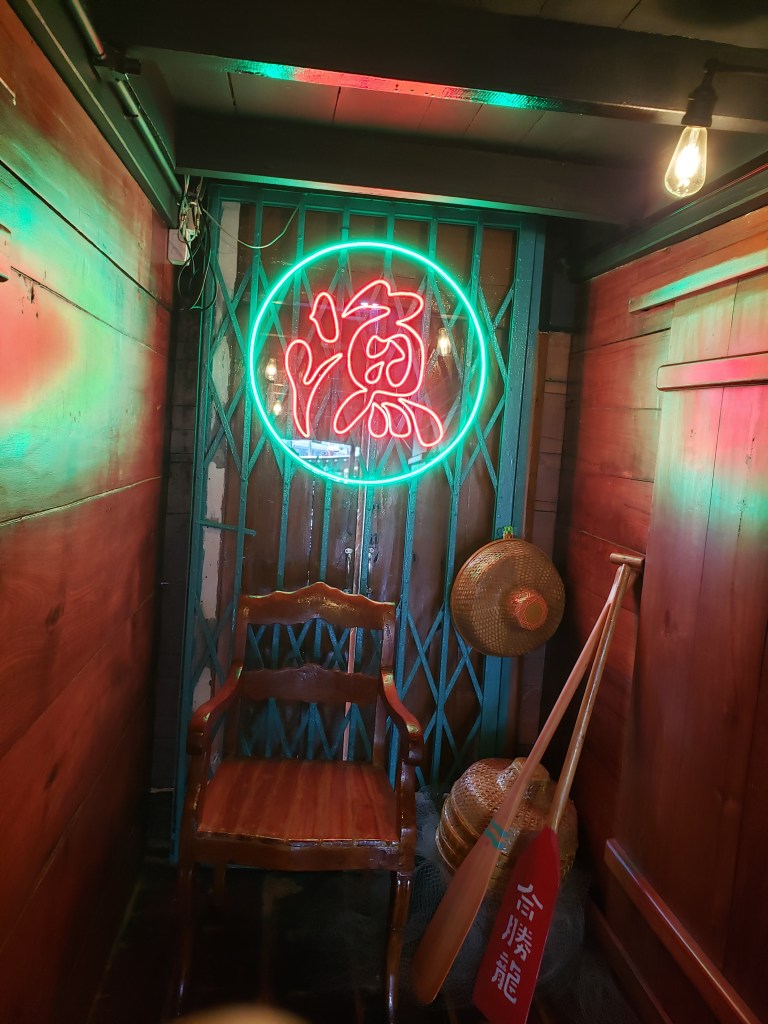
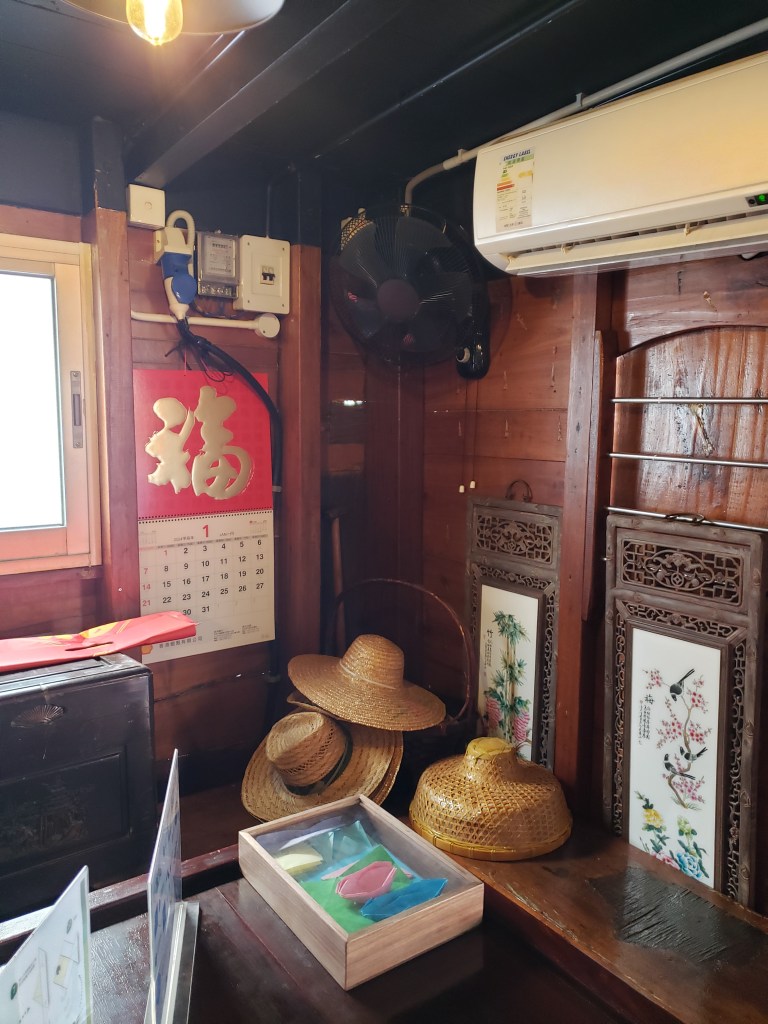
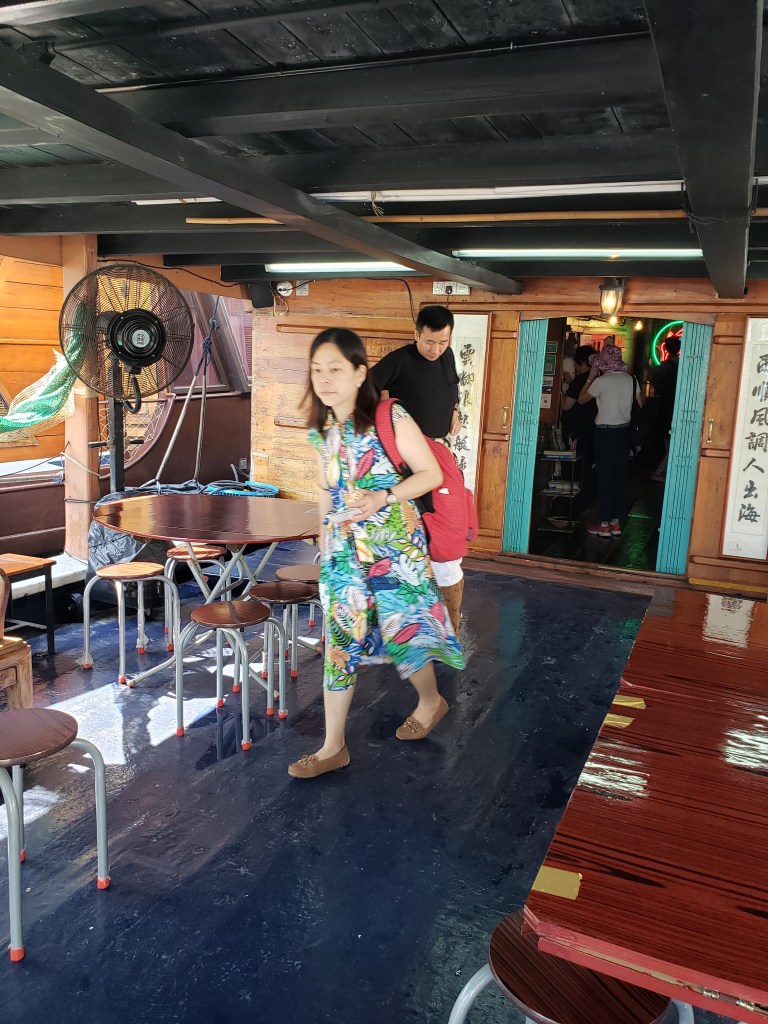
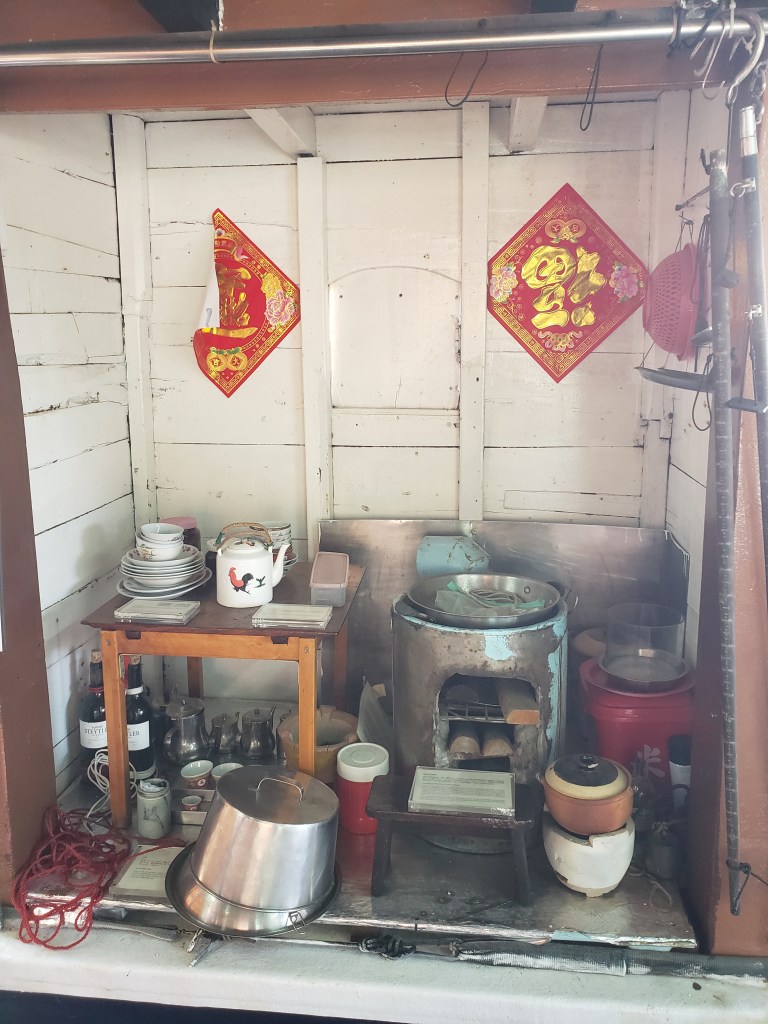
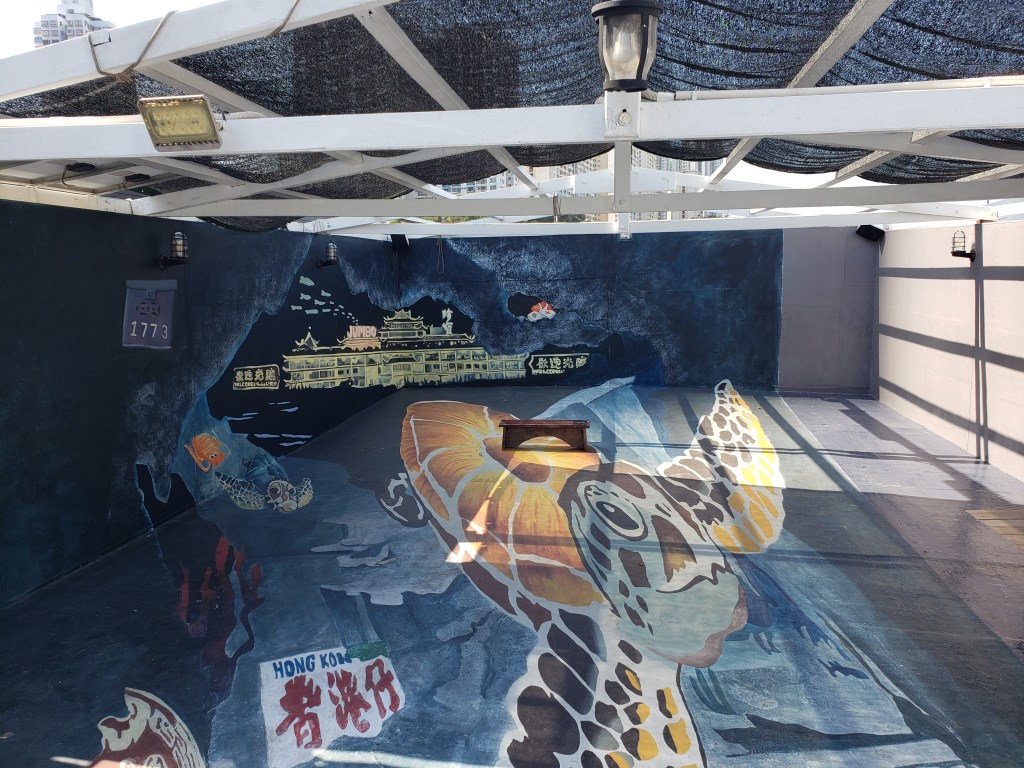
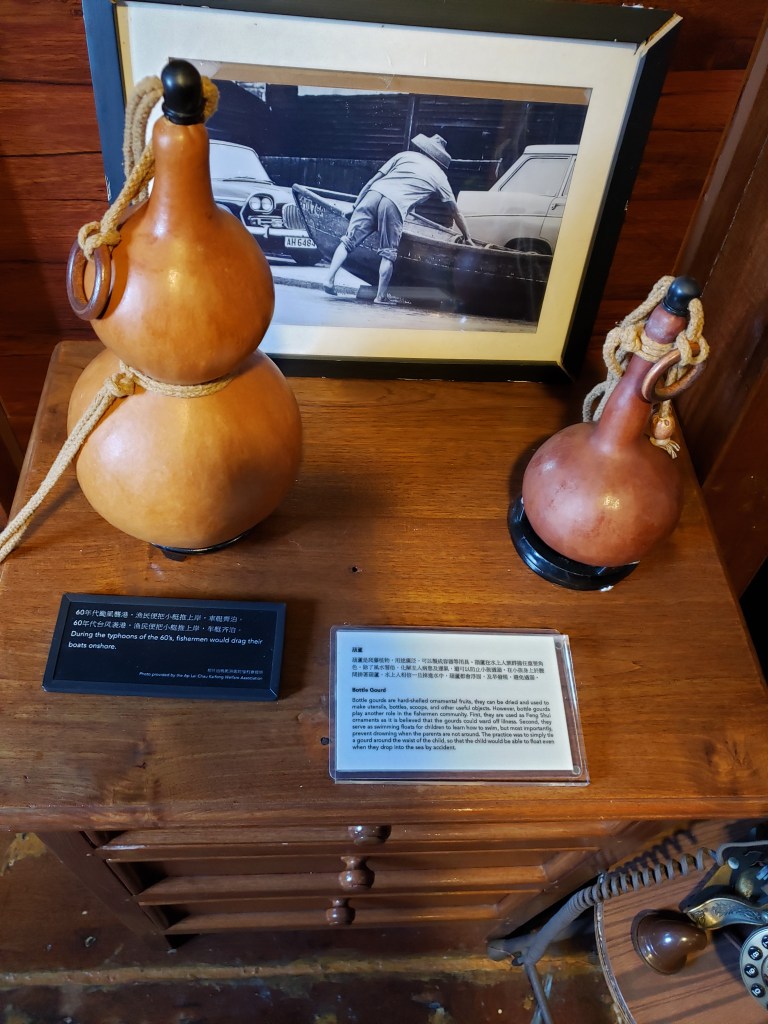
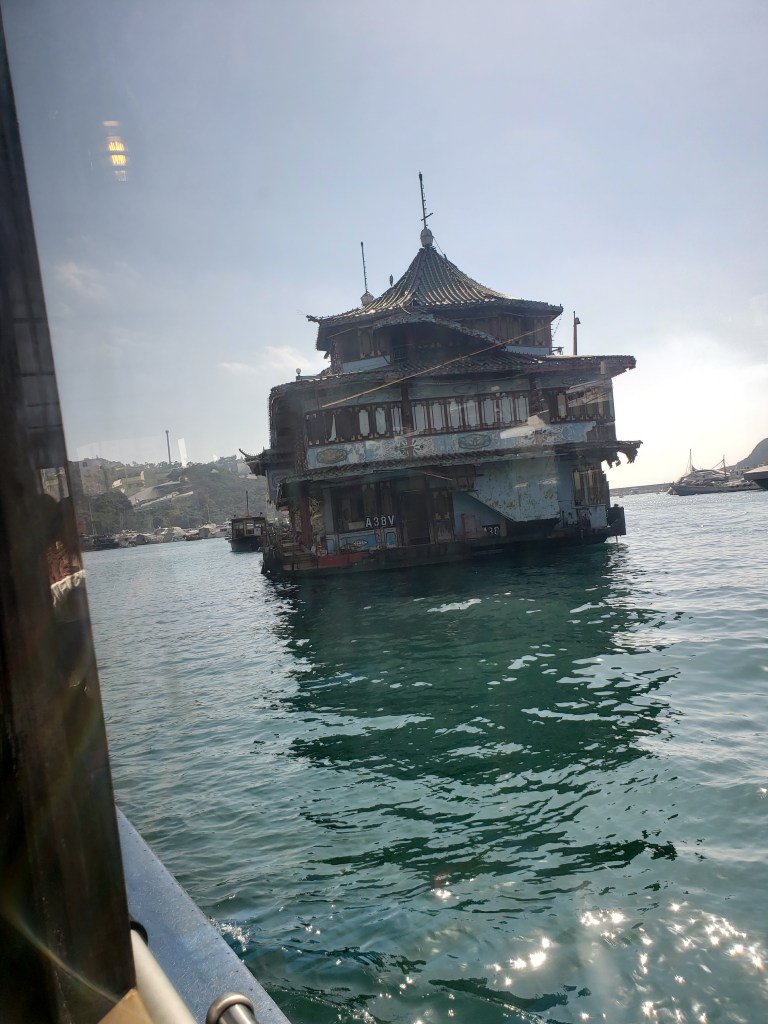
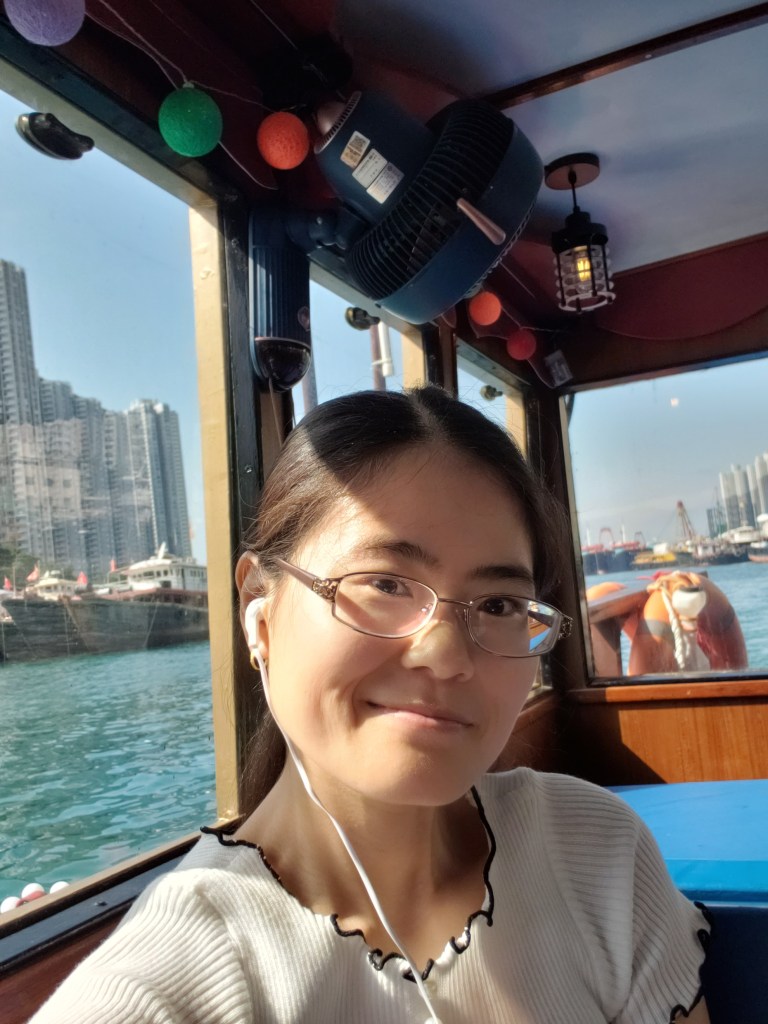
What did you learn from this tour?
I stumbled upon a small fishing village and was intrigued to learn how the locals managed to survive in such a challenging environment. I discovered that they used to live on houseboats, which were both cramped and lacked basic amenities, such as water, which was only supplied once every 4 days. Tragically, in October 1971, a devastating fire broke out, obliterating Jumbo Kingdom and the surrounding houseboats. However, Jumbo Kingdom has since been restored to its former glory. Given Hong Kong’s subtropical climate, typhoons and floods are frequent occurrences, and while shelters were in place, the infrastructure was insufficient.
What are your suggestions when visiting Hong Kong? Any Ideas?
Suggestions (by IPT):
Hong Kong is a bustling city with a plethora of things to do and see. If you’re planning a trip to Hong Kong, it’s recommended to thoroughly research the city to make the most of your time there. There are many activities to consider, such as exploring the city’s vibrant neighborhoods, indulging in the local cuisine, visiting famous landmarks like Victoria Peak and the Big Buddha, and shopping in some of the world’s largest malls. With so much to offer, Hong Kong is an exciting destination that caters to all kinds of travelers. IPT gives many of the places to see and experience.
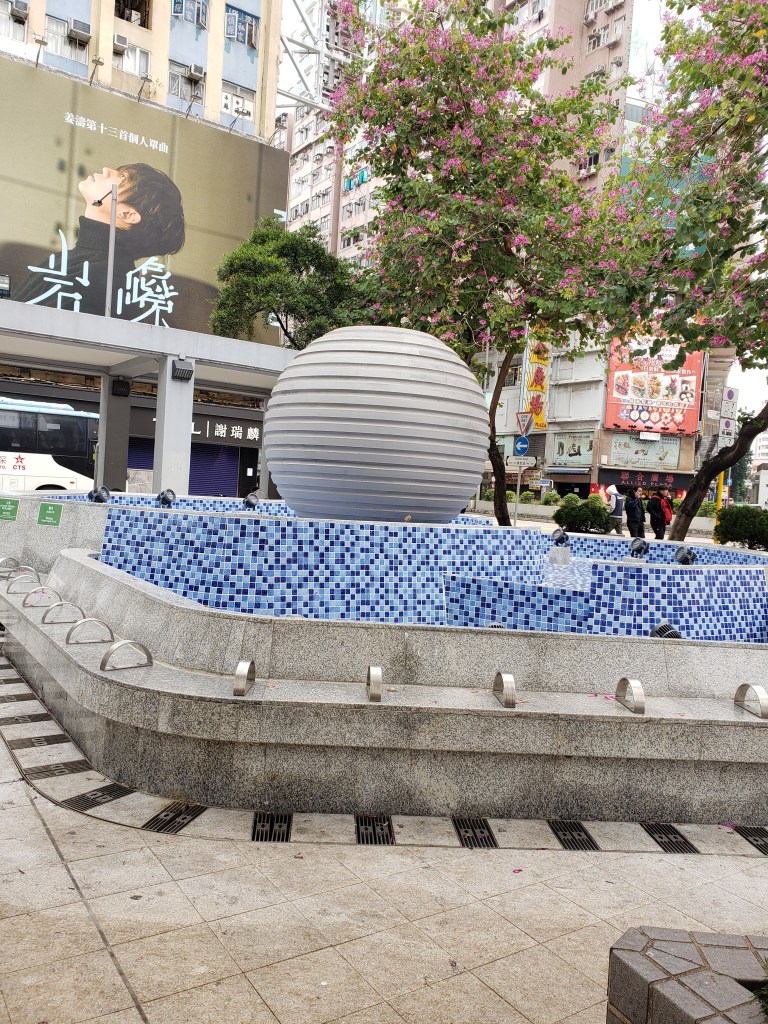
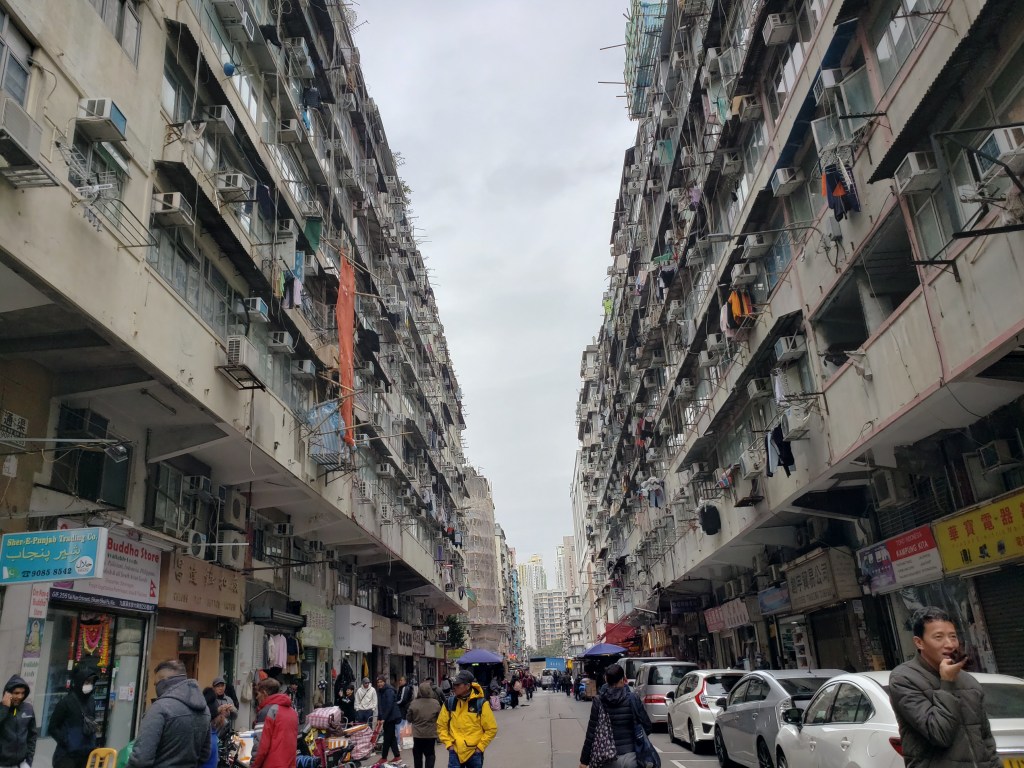
Cherry Street Park (櫻桃街公園)
Cherry Street Park is a great place to take a break and get some fresh air. You’ll find something for everyone here as there are separate areas for children’s playgrounds and adult workout equipment. So, if you want to relax or exercise, this park is definitely worth a visit.

West Kowloon (西九龍)
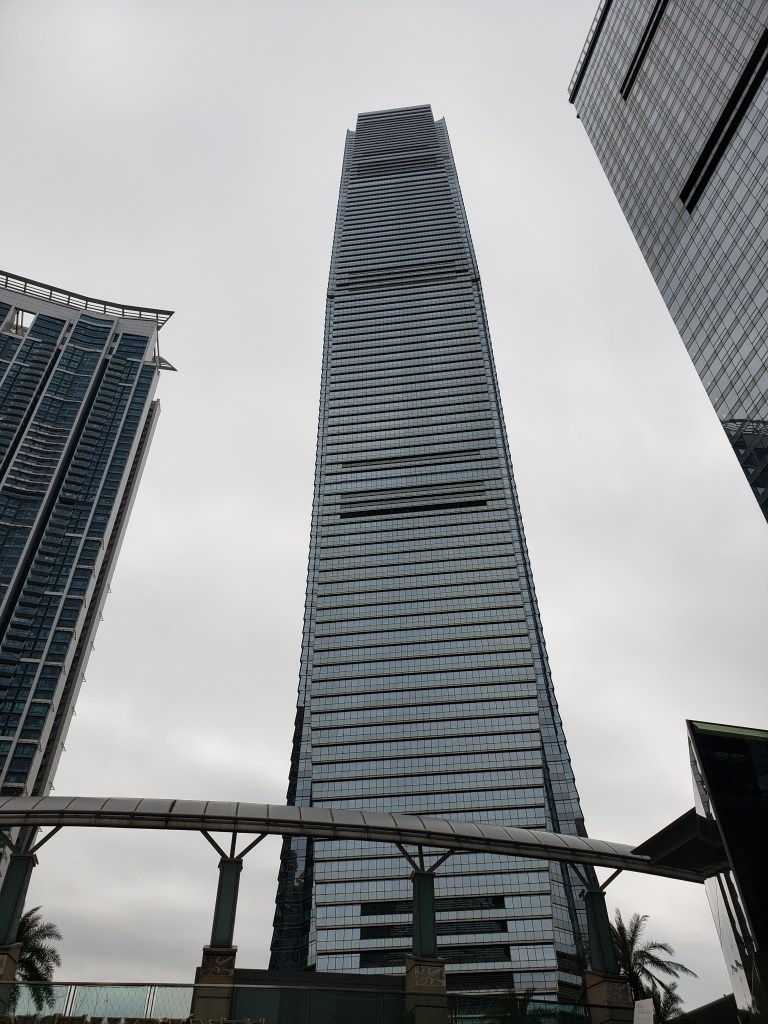
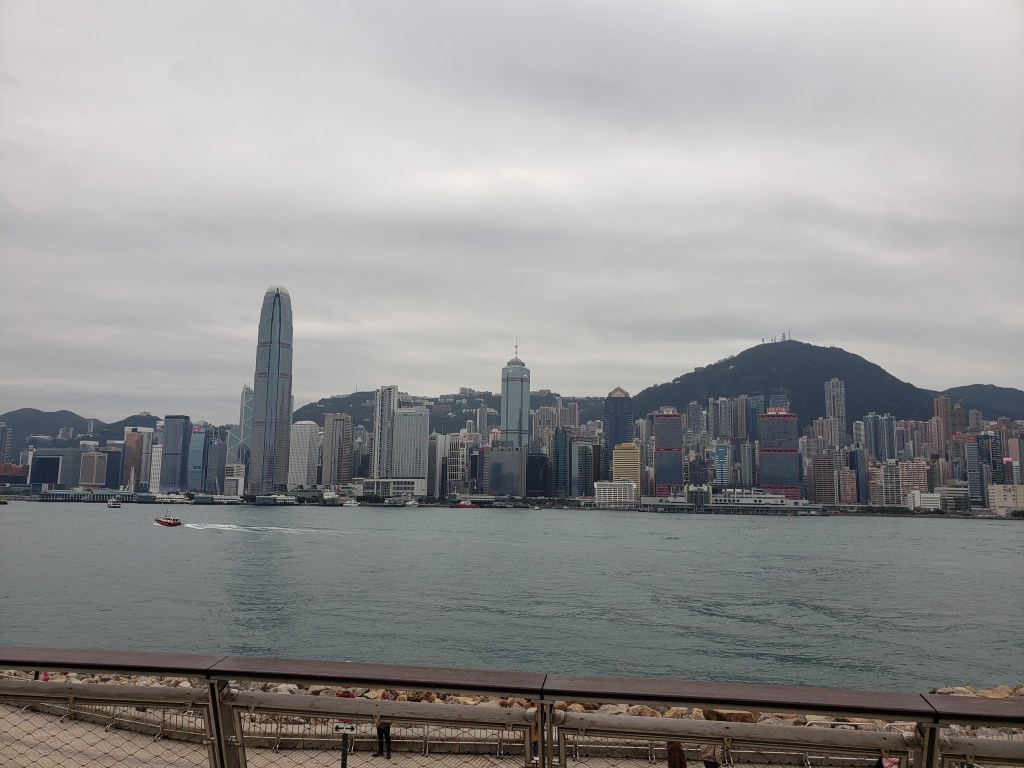

During my recent visit, I had the opportunity to explore the Palace Museum and immerse myself in the rich history of Chinese architecture with contemporary aesthetics. From the beginnings of the Ming dynasty to modern society, the museum offered a comprehensive educational experience, allowing me to discover hidden treasures and gain a deeper understanding of the country’s culture and heritage. The visit was truly enlightening and a valuable opportunity to learn about the history of China.
There was much to see and learn at the museum, mainly from Qing and Ming destiny, bringing artifacts to share.
Hence, there are 3 thematic exhibitions I want to immerse — in ‘Entering the Forbidden City: Architecture, Collection, and Heritage,’ ‘From Dawn to Dusk: Life in the Forbidden City’ and ‘Encountering the Majestic: Portraits of Qing Emperors and Empresses.’
You can also enjoy panoramic views of Hong Kong’s Victoria Harbour and explore the city’s art world in neighboring facilities such as M+, Xiqu Centre, Art Park, and Freespace.
Chai Wan (柴灣)
Chai Wan is a beautiful neighborhood located in Hong Kong. The name Chai Wan comes from the Cantonese word for firewood and bay. It is an excellent place for both locals and tourists to visit and explore. The park in Chai Wan is especially worth seeing and experiencing.
During my travels, I visited Chan Wan Park (柴灣公園), which had a beautiful lily pond and hidden gems. I decided to take a cue from the locals and blend in by speaking their language. Although I was initially apprehensive, I now feel confident exploring new places and having unique experiences.
Hey there! Guess what? I visited Chai Wan Park and was thrilled to spot some beautiful turtles and koi fish swimming around in the pond. It was such a delightful sight to see those little creatures enjoying their natural habitat.
Hong Kong Wetland Park (香港濕地公園)
I discovered a hidden gem in Hong Kong called Wetland Park, which I initially suggested otherwise. I was curious to explore it and decided to take my parents, relatives, and friends there. However, I realized that there are no MTR Subway Stations in the vicinity, and the only way to reach the park is to take the bus. Once you get off the bus, you may have to walk for quite a while before reaching the entrance of the Wetland Park.
If you don’t want to take the bus, you can consider taking a taxi, but it may not be cost-effective unless it’s necessary. Alternatively, carpooling with friends could be a good option. The parking rate at the park is HK$8/hour, and we spent about 2 hours there.
The entrance fee to the park is HK$30, and I used an Octopus Card to pay for it. The Octopus Card is a recommended card for all types of Hong Kong travel, and it can be used for public transport, parking, and even at some shops and restaurants.
Once we entered the park, we were amazed by the lush greenery and the variety of plants and animals. We spent some time exploring the environment and learning more about the plants and birds. We even got to see some beautiful orchid flowers up close.
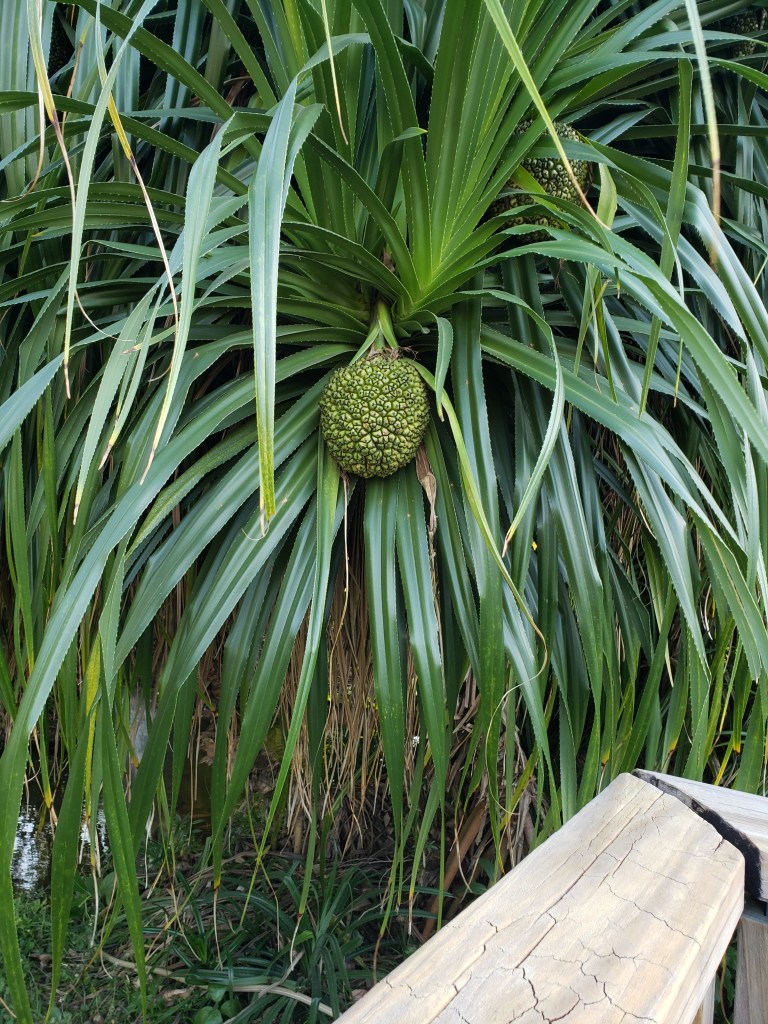
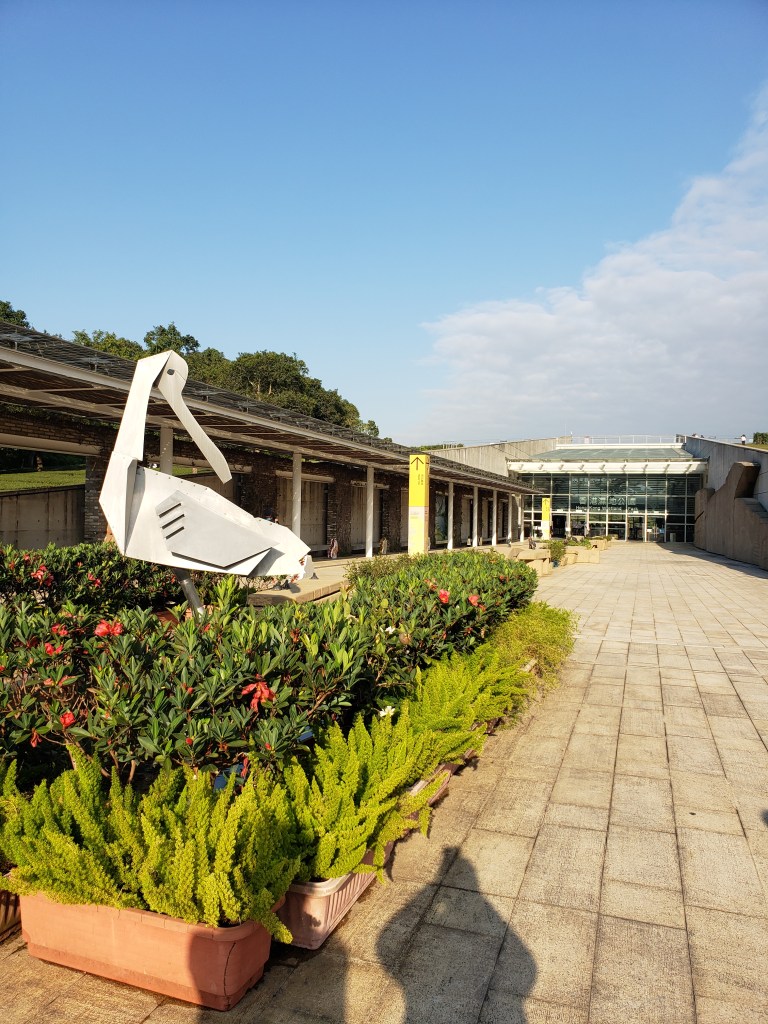
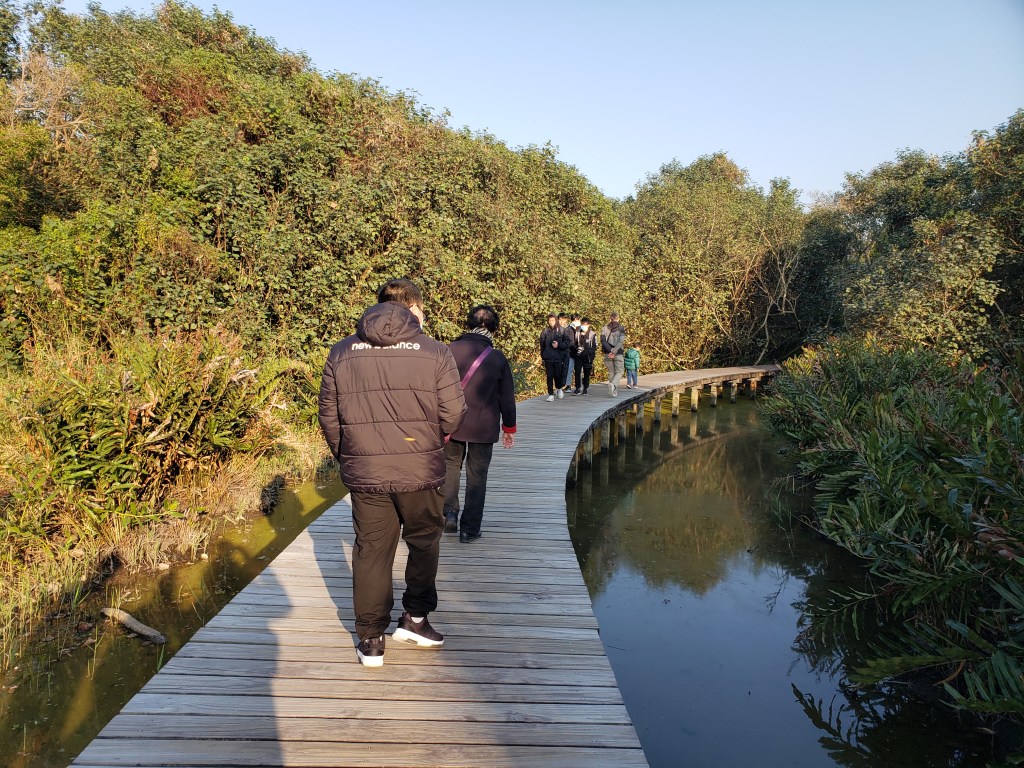
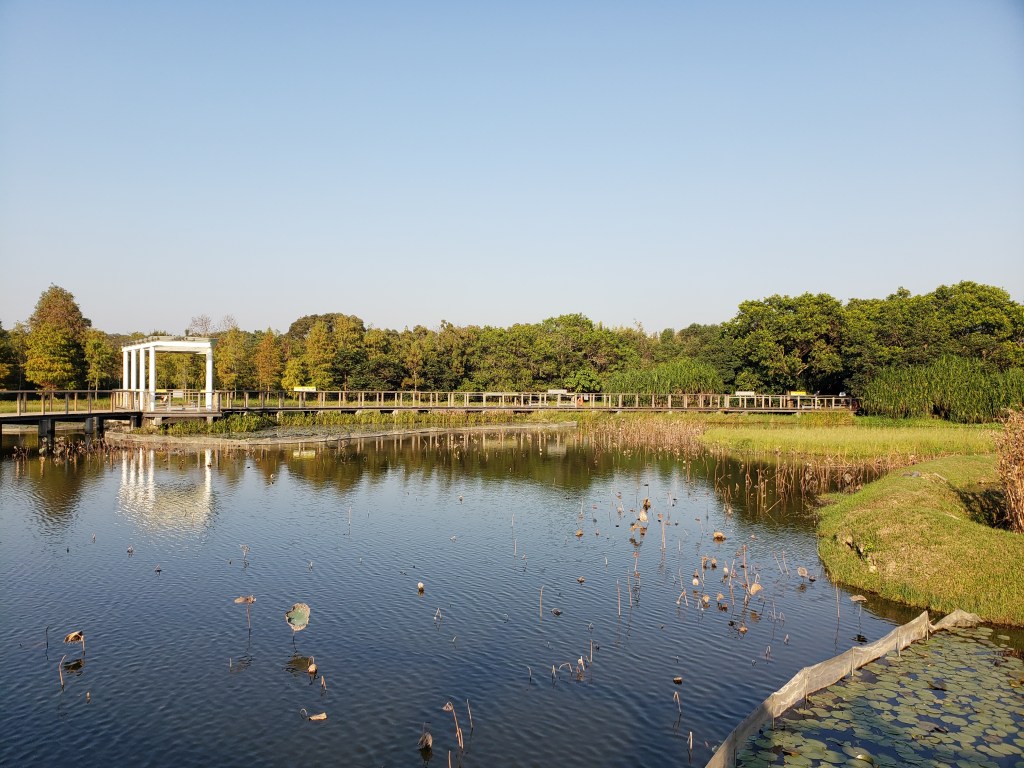
After spending a few hours in the park, we checked the time and realized that it was almost closing time. We left the park around 17:10, just in time for it to close at 17:30. Overall, it was a memorable experience, and I would highly recommend visiting the Wetland Park to anyone who loves nature and wants to explore a different side of Hong Kong.
Cheung Chau (長洲)
As I stepped out into the bright sunshine, I was greeted by the sight of my relatives who had just arrived at the port. It was a perfect day for a ferry ride from Central to Cheung Chau, and I felt confident about navigating our way there since I was familiar with the surroundings. I tapped my Octopus Card to pay for the boat ride, and I was pleased to find out that the cost was quite reasonable – HK$14.8, to be exact (this price does not apply to Sundays and public holidays, when the fare is HK$22).
As we made our way to the island, I bumped into an old friend who was living on Cheung Chau. We chatted about his life there, and I was surprised to learn that the island had no modern automobiles. It was quite a unique experience to see only mini cars and bikes scattered around the place. The absence of noise pollution created a serene atmosphere that was perfect for a relaxing day trip.
How do people live on these small islands, I mentioned to them?
After exploring the store for a while, we made a wise decision to take a break and indulge in a delicious lunch.
During our trip, my relative and friends and I had the pleasure of enjoying some delicious Cheung Chau food. Cheung Chau is a small island in Hong Kong that boasts a beautiful waterfront, scenic hiking trails, and exciting boat rides. However, the highlight of our visit was the local cuisine, which is known for its unique and delectable flavors.
If you’re planning a trip to Cheung Chau, I highly recommend trying some of the island’s famous Mochi, which is considered to be one of the best in the region. The sweet and chewy texture of the Mochi is simply irresistible. Additionally, the bun is another dish that should not be missed. It’s a savory pastry that’s made with a variety of fillings, such as pork, chicken, and vegetables.
Overall, Cheung Chau is a must-visit destination for anyone who enjoys good food and breathtaking scenery. Whether you’re a local or a visitor, there’s something for everyone to enjoy on this charming island.
Lantau Island (大嶼山)
The day was absolutely stunning, and my dear relatives invited my parents and me to join them for an unforgettable outing. As it was my last parents’ day before moving out, we decided to make the most of it and create lasting memories together.
We headed to Ngong Ping 360 (昂坪360), which is a popular tourist attraction in Hong Kong, and we were thrilled to discover that we could take a cable car ride. The cable car ride offers a unique way to experience the stunning views of Hong Kong’s mountainous terrain and the surrounding ocean. If you ever find yourself in Hong Kong, this is definitely an experience that you must try!
When we arrived, we opted to buy the tickets with cash, instead of using an Octopus Card. The one-way ticket cost HK$150 per person, but we learned that you can get a discount if you have a Hong Kong ID or a residence. I was so excited to ride the cable car that I even took a picture of the ticket as a keepsake.
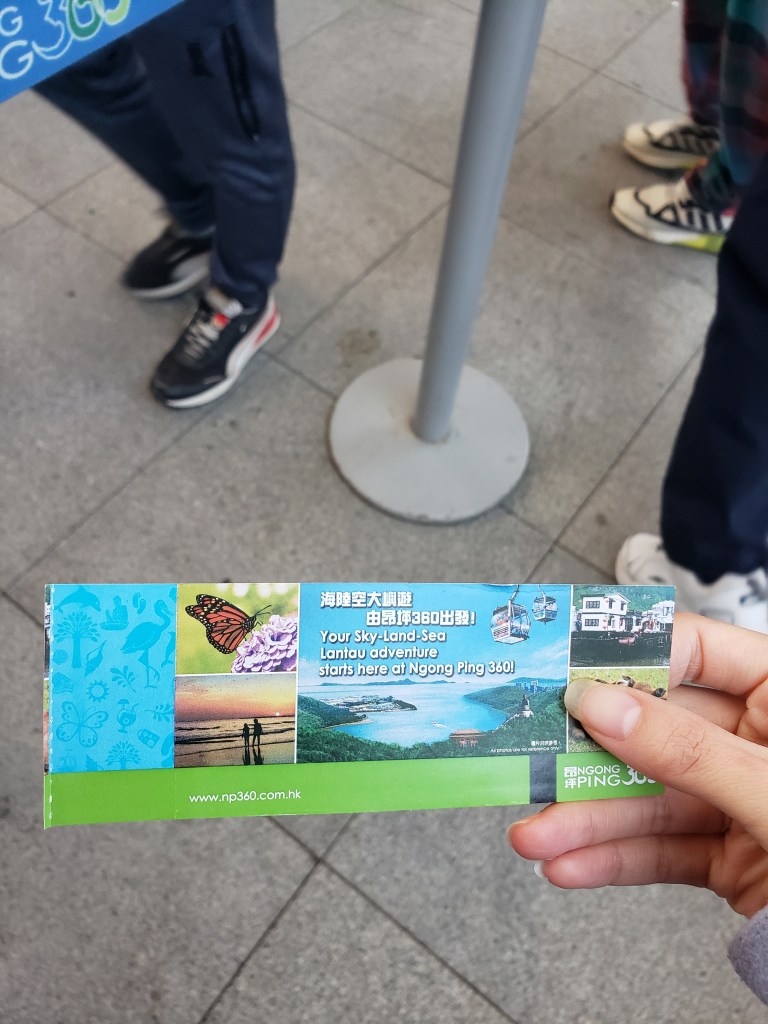
It’s worth noting that each cable car has a maximum capacity of 10 passengers, so if you’re travelling solo, be prepared. Additionally, you should expect to share the cable car with strangers, which can be a great way to meet new people and chat with fellow travellers.
As we embarked on the ride, I was struck by the breathtaking view of the surrounding landscape. The 25-minute ride was nothing short of awe-inspiring, and I couldn’t help but marvel at the beauty of the mountains and the ocean below. The cable car ride was smooth and comfortable, and it gave us plenty of time to take in the stunning scenery.
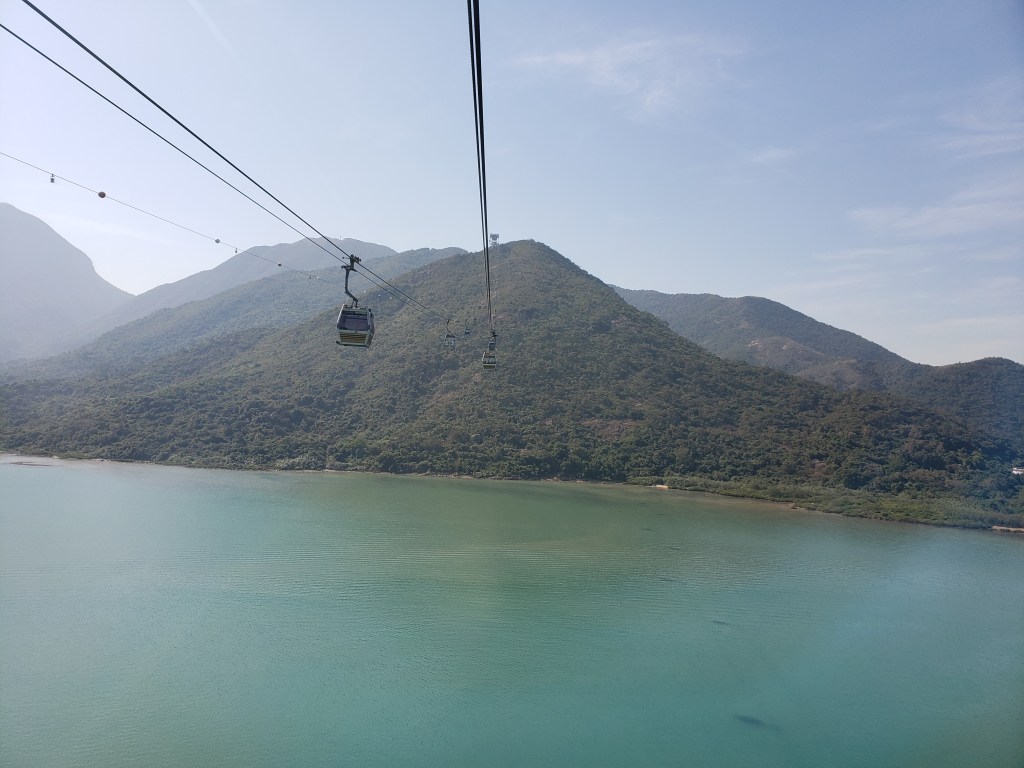

We finally reached the other side of the mountain on Lantau Island, known as Ngong Ping Village. The picturesque village was surrounded by lush green hills and offered a plethora of activities to keep us entertained. We were thrilled to have the opportunity to explore the area at our own pace and indulge in some shopping and delicious local cuisine.
One of the highlights of our trip was climbing up to see the Big Buddha (天壇大佛), a magnificent 34-meter-tall bronze statue located at the Po Lin Monastery (寶蓮禪寺). The climb was quite steep and challenging, but the breathtaking views of the surrounding area made it all worthwhile. We were able to witness the stunning natural beauty of Hong Kong from high up, making the experience even more memorable.
As we reached the top, the Big Buddha statue appeared before us in all its glory, and we were left speechless. The intricate details of the statue were truly remarkable, and the peaceful atmosphere around it made it a perfect place for contemplation.
Undoubtedly, the Big Buddha is a must-see attraction if you’re visiting Hong Kong. The sheer size and beauty of the statue are awe-inspiring, and the climb to the top provides a unique perspective of the city. We left feeling rejuvenated, inspired, and grateful for the opportunity to witness such beauty.
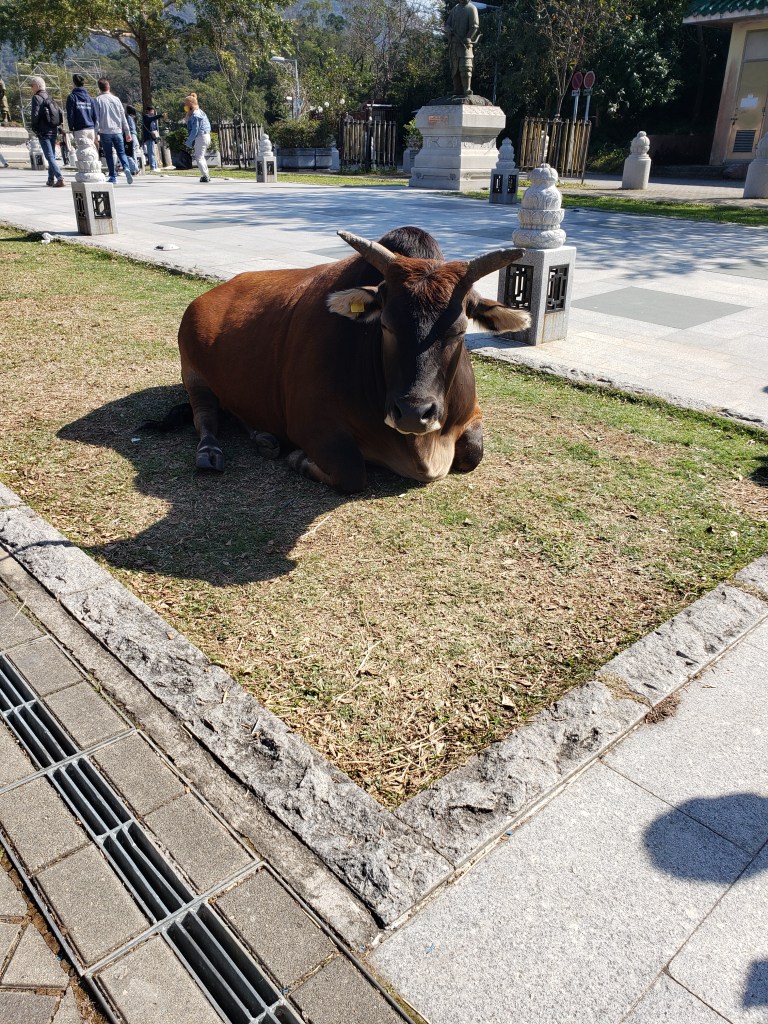
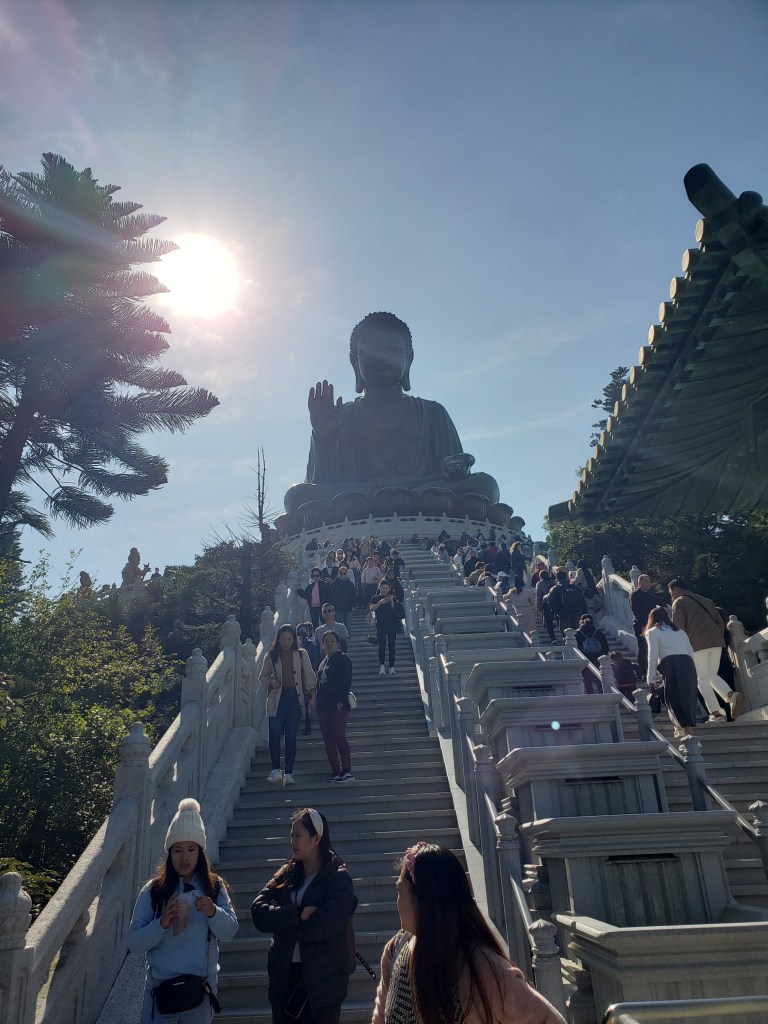
Overall, our outing to Ngong Ping 360 was an unforgettable experience, and I’m so grateful that we were able to share it together as a family. If you’re looking for a unique and unforgettable way to experience the beauty of Hong Kong, then the cable car ride at Ngong Ping 360 is definitely worth checking out.
Tai O (大澳)
During my recent trip to Hong Kong, one of the places I visited was Tai O, a quaint fishing village known for its stilt houses and Sun Ki Bridge. Despite being a bit off the beaten path, Tai O is definitely worth a visit for anyone looking to experience a more traditional side of Hong Kong.
To get to Tai O, I used the Octopus Card to board the bus from Ngong Ping Village, which was very convenient. The bus ride to Tai O was different from the public bus, as it didn’t have a stop bell, but it was still easy to navigate.
Upon arriving in Tai O, my parents and I decided to take a boat ride with Dolphin Travel Limited, which cost HK$100 for the five of us. During the ride, we were able to take in the beautiful scenery and learn about the history of Tai O, including how the stilt houses were built just above the water.
As we sped along in the boat, we suddenly saw dolphins jumping in the distance, which was a truly stunning sight. When we got off the boat, we had plenty of time to explore Tai O and visit some of the local businesses, which ranged from food stalls to souvenir shops.

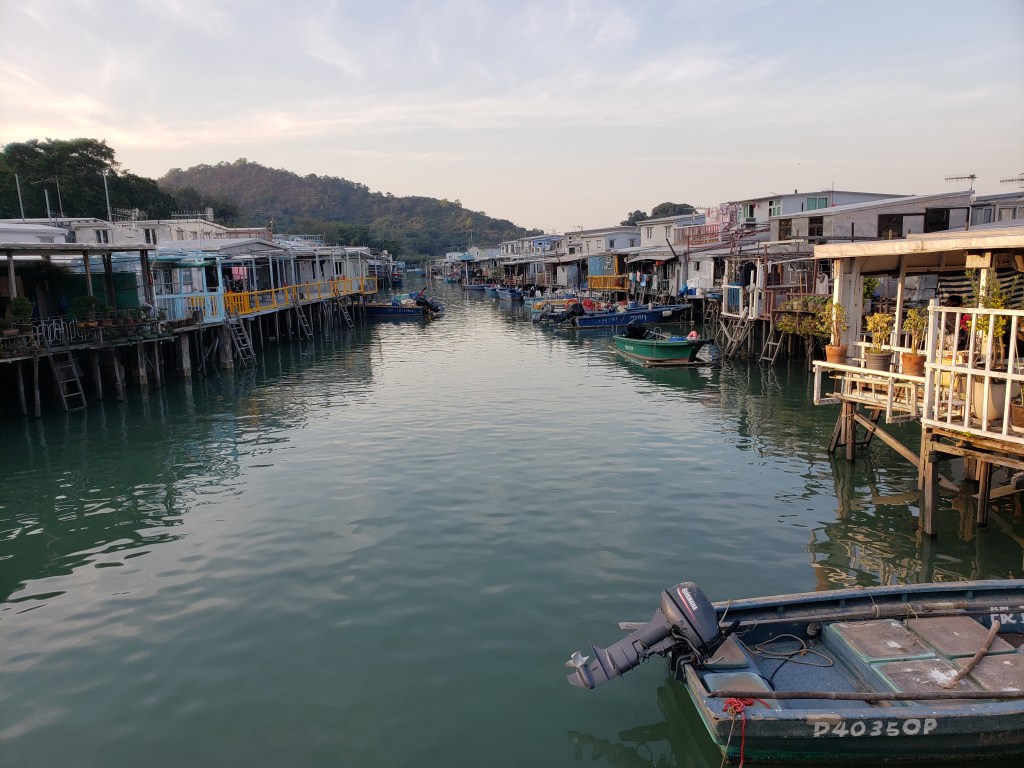

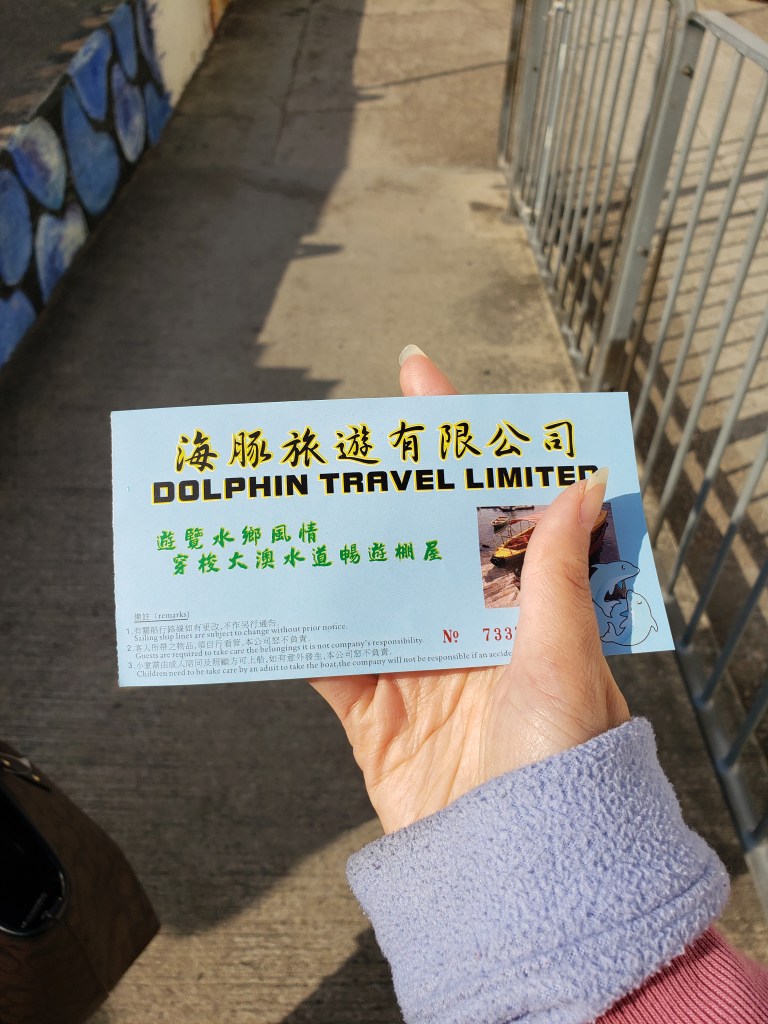
All in all, visiting Tai O was a wonderful experience that allowed me to immerse myself in the local culture and learn more about the history of Hong Kong.
Tuen Men (屯門)
Tuen Mun is a charming neighborhood with a rich history. According to my research, the area has been inhabited since the Neolithic Period, and there is evidence of early settlements in the region.
As I arrived in Tuen Mun, I decided to take the light rail to explore the area. I found that the transportation system was convenient. Still, I had to make sure to have my Octopus or tickets available when boarding and exiting the tram. The Octopus Card is a rechargeable smart card that allows you to easily pay for transportation and other services in Hong Kong.
One of the highlights of my visit was the Butterfly Beach Park (蝴蝶灣公園), which is located in the area. The park features a beautiful beach, where people were having picnics and BBQs. I saw kids playing and seniors exercising, and I found the atmosphere to be very relaxing. There is also a jogging trail, basketball court, and playground, which make the park an ideal spot for outdoor activities.
As an avid photographer, I was thrilled to find that the park was home to a variety of butterfly species. I took some pictures of the butterflies displayed there, and I found the park to be stunningly beautiful.

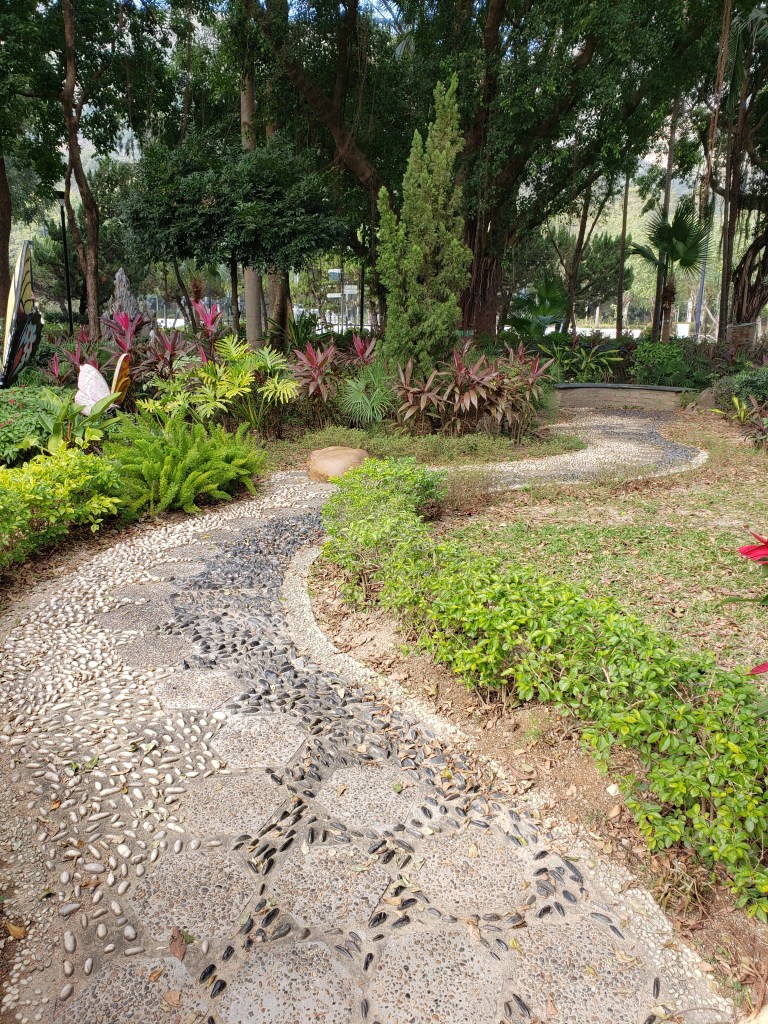
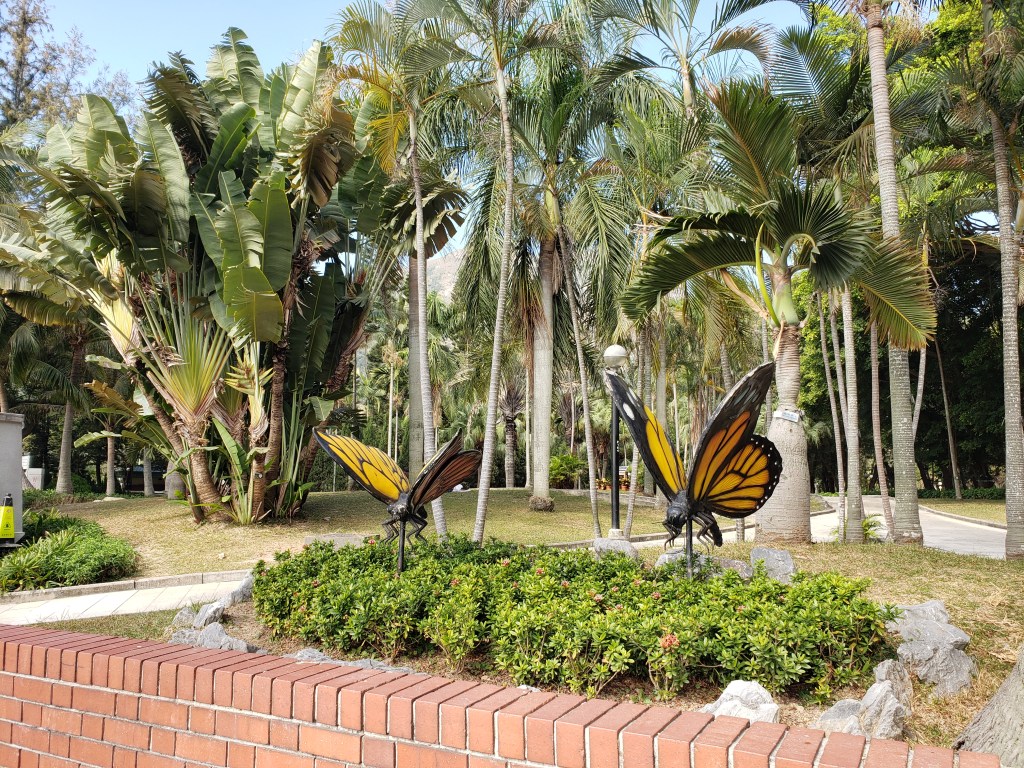
Overall, my visit to Tuen Mun was a wonderful experience, and I look forward to exploring more of Hong Kong’s unique neighborhoods in the future.
Ap Lei Chau (鴨脷洲)
Ap Lei Chau is a small island located in the southern part of Hong Kong. It is often overlooked by tourists, but it holds great historical and cultural significance. The island has undergone significant transformation over the years and is now a bustling residential area with modern amenities. A popular way to reach Ap Lei Chau is by taking the South Island Line from Admiralty. If you’re interested in learning more about the island’s history and importance, a visit to Ap Lei Chau is highly recommended.
Question: Is the Promenade and Parks open to the public?
It’s important to note that the park gates may be closed and inaccessible to the public during certain events. Additionally, please be aware of any signs indicating private property or no trespassing near the park’s residence area. Generally, the park is open to the public. Still, being mindful of your actions and noise level is important while enjoying the park.
IPT Tips: Be mindful of these signs, such as “Residential – Private Property.” Stay away from private property, and you will be fine.
If you’re looking for fun things to do in the area, I have a few suggestions.
- First, you might want to check out Bafang Dumpling for a delicious dining experience.
- If you’re in the mood for some quiet time, the Mobile Library is a great place to stroll and read.
- Alternatively, if you’re feeling like watching a good movie, MCL Cinemas is a great spot to catch the latest flick. For those of you who like to shop, Prada Outlet has a wide selection of items to choose from.
- Lastly, if you’re looking to enjoy some outdoor entertainment, the Amphitheatre is a great place to catch a show or two.
Hong Kong Tramways (香港電車)
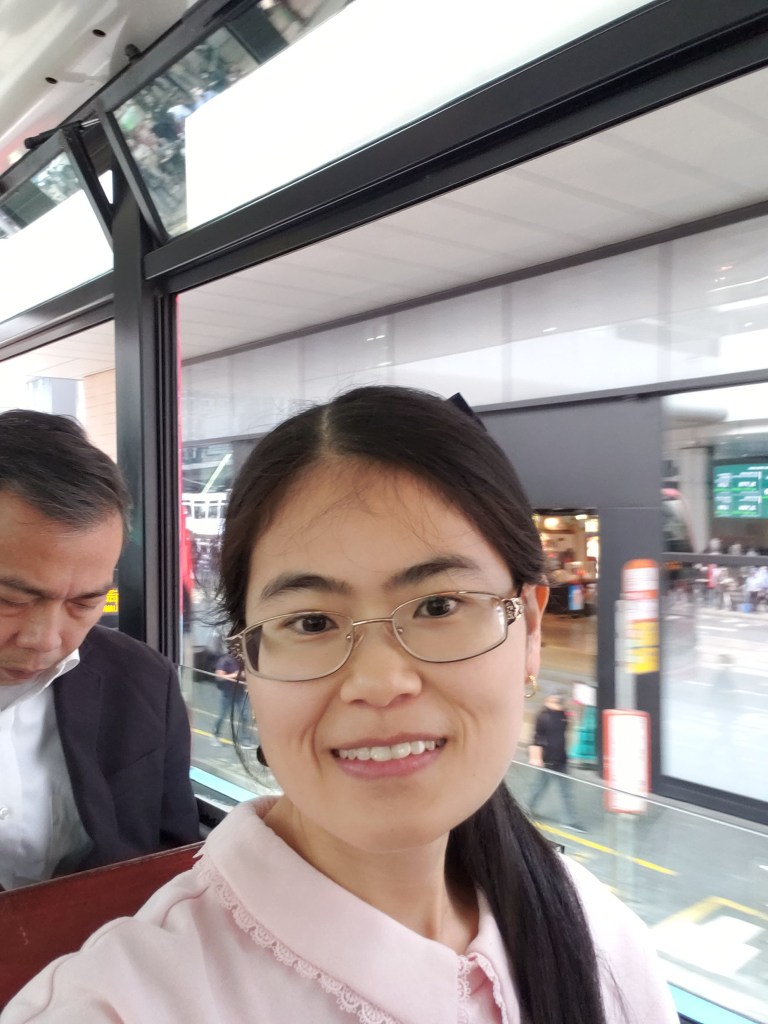
As I strolled through the bustling streets of Hong Kong, I couldn’t help but feel the excitement of exploring this vibrant city. One item on my bucket list was to ride the historic tram line in Central. I had heard so much about this iconic mode of transportation and was eager to experience it myself.
As I arrived at the tram stop, I watched as locals and tourists alike boarded the tram. I observed that the proper way to board was through the back of the tram. Once on board, I found a seat and gazed out the window, taking in the sights and sounds of the city. The feeling of the wind rushing through my hair as we made our way down the streets was an experience I’ll never forget.
One thing to note is that payment for the tram ride is made using an Octopus Card. There’s no need to pay at the beginning of the trip, but you must pay upon exiting the tram. The fee for the ride is HK$3. As we approached my stop, I made sure to have my Octopus Card ready for payment.
Overall, my tram ride through Central was a fantastic way to explore the city and take in the sights and sounds of Hong Kong. I highly recommend adding it to your own bucket list!
Conclusion
As you get ready for your upcoming journey to Hong Kong, let me remind you of the incredible experiences that await you. When traveling alone, you have the chance to fully immerse yourself in the destination’s fascinating history and culture. By personalizing your itinerary to your interests, you can make the most of your time in Hong Kong and create unforgettable memories. However, planning a solo trip can be quite a task, especially when it comes to budgeting for expenses such as airfare and accommodation. But with my I-Powers Travel cycle theory, you can be confident that your trip will be easier and more enjoyable than ever before. So, get excited to start an unforgettable adventure in Hong Kong – I’m here to help you every step of the way! Don’t give up on planning your dream trip.
Be a traveler, not a tourist! Enjoy your travels!

 I-Powers Travel - Tips, Tricks, and Stories
Fantastic Read heres my feedback ! …
Thanks – PomKing
http://www.pomeranianpuppies.uk
LikeLike