

The Bahamas—a shimmering necklace of over 700 sun-drenched islands and cays scattered across the turquoise canvas of the Atlantic—calls to dreamers and adventurers alike. Here, powdery white sand melts into warm, aquamarine waters, and palm trees sway to the rhythm of gentle ocean breezes. The islands pulse with vibrant Junkanoo music, bursts of tropical color, and the inviting aroma of grilled seafood drifting through the air. For generations, the Bahamas has been a siren song for wanderers, a place where every sunrise promises new adventures and every sunset lingers like a postcard memory. Setting foot in this island paradise was not just a bucket list moment for me—it was a joyful leap into a world where magic and beauty feel endless. In this blog, I am focusing on the popular beach spot, Nassau.
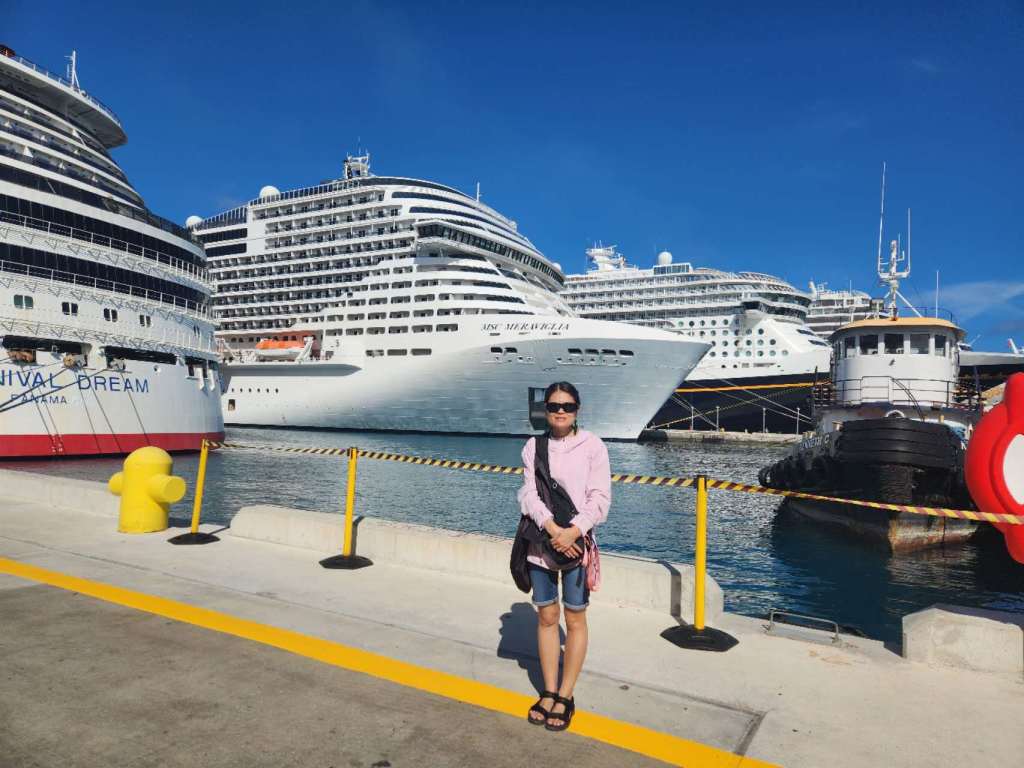
Downtown Nassau
Welcome to my personal guide to Nassau, a sparkling jewel in the Bahamas where sun-soaked adventures, rich history, and vibrant culture await every traveler. Whether you’re a first-time visitor or a seasoned explorer, Nassau offers a captivating blend of modern attractions and old-world charm, set against a backdrop of turquoise waters and golden sands.
Nassau is the capital and the largest city in the Bahamas, with a population of 296,000.
My journey began with a shopping spree at the lively Nassau Cruise Port. This bustling hub, gleaming after its impressive 2023 renovation, welcomes visitors with beautifully landscaped plazas, vibrant murals, and an array of boutiques and duty-free shops. Whether you arrive by ship or stroll in from town, you’ll find local artisans selling Bahamian crafts, tasty food stalls offering conch fritters and fresh coconut water, and plenty of opportunities to soak in the lively atmosphere.
Another thing I highly recommend is visiting the Museum of Junkanoo, a colorful and immersive space dedicated to the vibrant Bahamian celebration of Junkanoo. Inside, you’ll discover elaborate costumes, rhythmic drums, and interactive exhibits that bring the festival’s history and traditions to life. The entry fee is $11, which includes a $1 VAT, making it a worthwhile stop for anyone eager to experience local culture firsthand.
Yes, you can snag free gems and charms as souvenirs, but here’s the twist: most shops reserve these sparkling incentives for cruise passengers. For example, Diamonds International is famous for its coveted free charm, but you’ll need to show your cruise card to claim one. Still, browsing the jewelry stores and chatting with local shopkeepers is a fun way to experience Nassau’s retail scene, even if you’re just window shopping.
I wandered down bustling Bay Street, Nassau’s main thoroughfare, where crowds of locals and travelers mingle in a lively daily parade. The street is lined with pastel-painted colonial buildings, duty-free shops, open-air cafés, and street vendors selling everything from handwoven hats to fresh pineapple slices. The vibrant energy here captures the island’s unique blend of Caribbean and British influences.
Next, I explored the Nassau Straw Market, a bustling indoor bazaar and a treasure trove of handcrafted souvenirs. Here, skilled artisans weave colorful straw hats, bags, and dolls right before your eyes, and friendly haggling is all part of the fun. The market’s lively chatter and the rich scent of straw create a uniquely Bahamian shopping experience.
Nassau’s beaches are a magnet for sunseekers, offering powdery white sand and crystal-clear turquoise waters perfect for swimming, snorkeling, and relaxing under swaying palm trees. Junkanoo Beach is a popular choice just minutes from downtown, while Cable Beach boasts a long stretch of resorts and water sports activities. With the island welcoming up to eight cruise ships at a time, you’ll find both lively beach scenes and quieter coves to suit every mood.
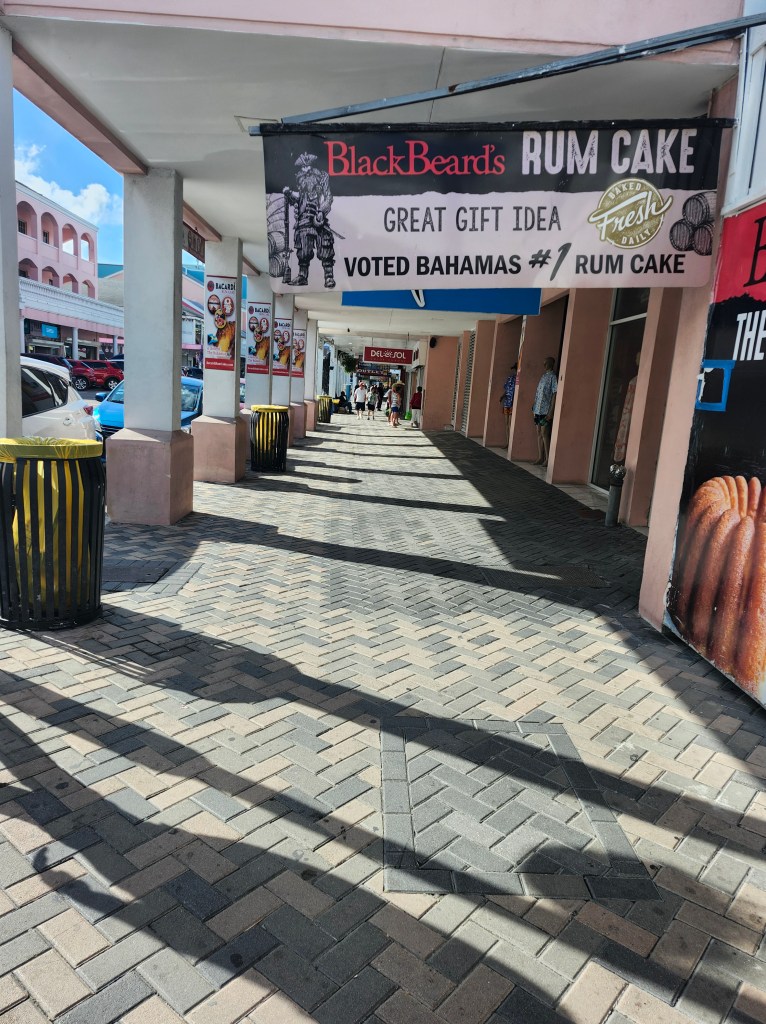
Wandering solo through the sunlit streets of Nassau, I crafted my own adventure with every spontaneous turn. My footsteps echoed on cobblestone pathways as I savored the freedom of a DIY itinerary. Just as the golden afternoon began to fade, the stately façade of the British Colonial Hotel rose before me, its grand columns and storied past radiating old-world elegance. The sight felt like stumbling onto a hidden chapter of history—a perfect finale before I made my way back to the waiting cruise ship, heart full of memories and wonder.
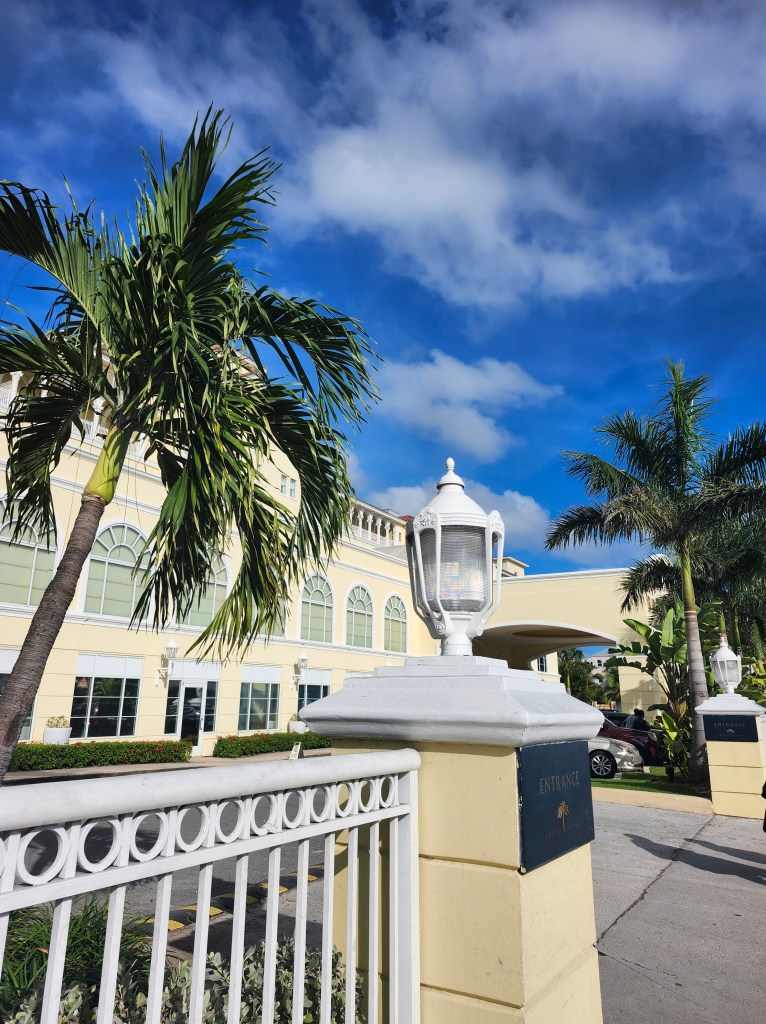
Paradise Island
According to my research as a solo travel expert, Paradise Island is a dazzling playground overflowing with unforgettable adventures. During my shore excursion, I set foot on this iconic slice of the Bahamas, where the turquoise sea sparkled beneath a sun-drenched sky and palm trees swayed in the gentle breeze. Paradise Island is home to the world-renowned Atlantis resort, a sprawling fantasy land where pink towers rise above lush gardens and shimmering lagoons. The moment I arrived, I felt as if I had stepped into a postcard—a place where luxury meets tropical wonder at every turn.
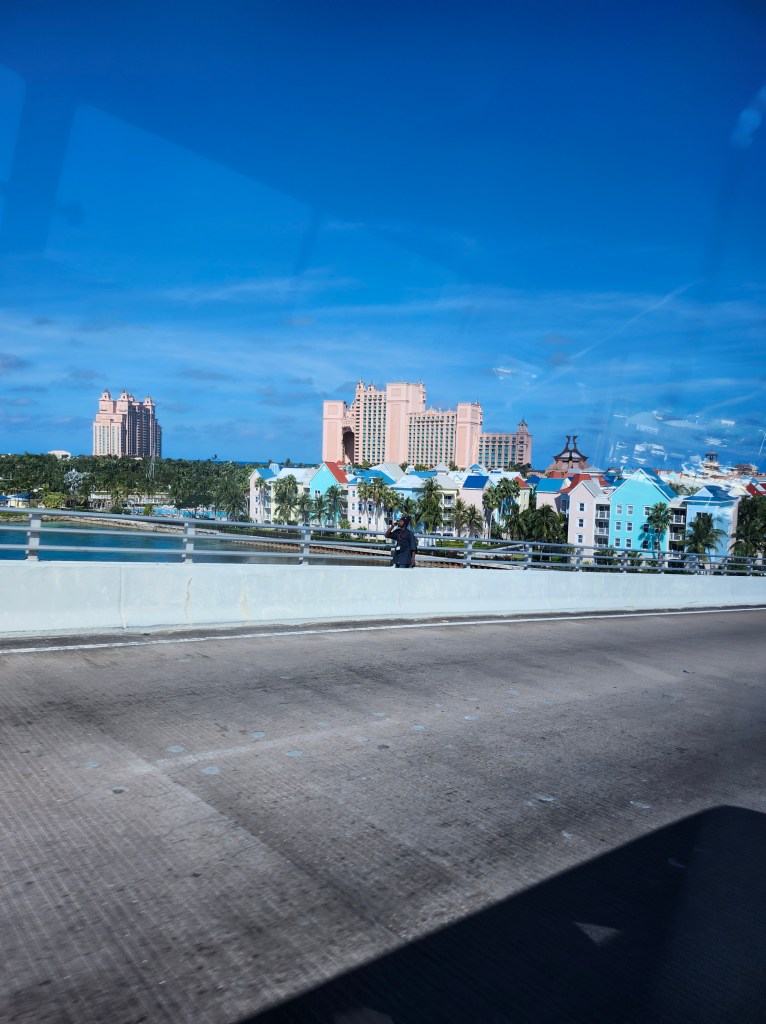
A few of Atlantis’s most enchanting attractions, like the mesmerizing Dig Aquarium—a labyrinth of underwater tunnels teeming with exotic sea life—and the dramatic Predator Lagoon, are reserved for resort guests or those willing to pay a hefty fee. It’s easy to lose yourself in dreams of ancient ruins and swirling schools of colorful fish, but remember: a room key or admission wristband is your ticket to these aquatic wonders.
For a taste of the resort’s lively energy, take a leisurely stroll through Atlantis Marina Village. This vibrant promenade is lined with pastel-hued shops, charming cafés, and open-air restaurants where the scent of fresh seafood floats on the breeze. Watch luxury yachts bob in the harbor and listen for the laughter of travelers discovering hidden treasures in the boutiques. Even without a room key, the Marina Village offers a delightful glimpse into the island’s glamorous side.
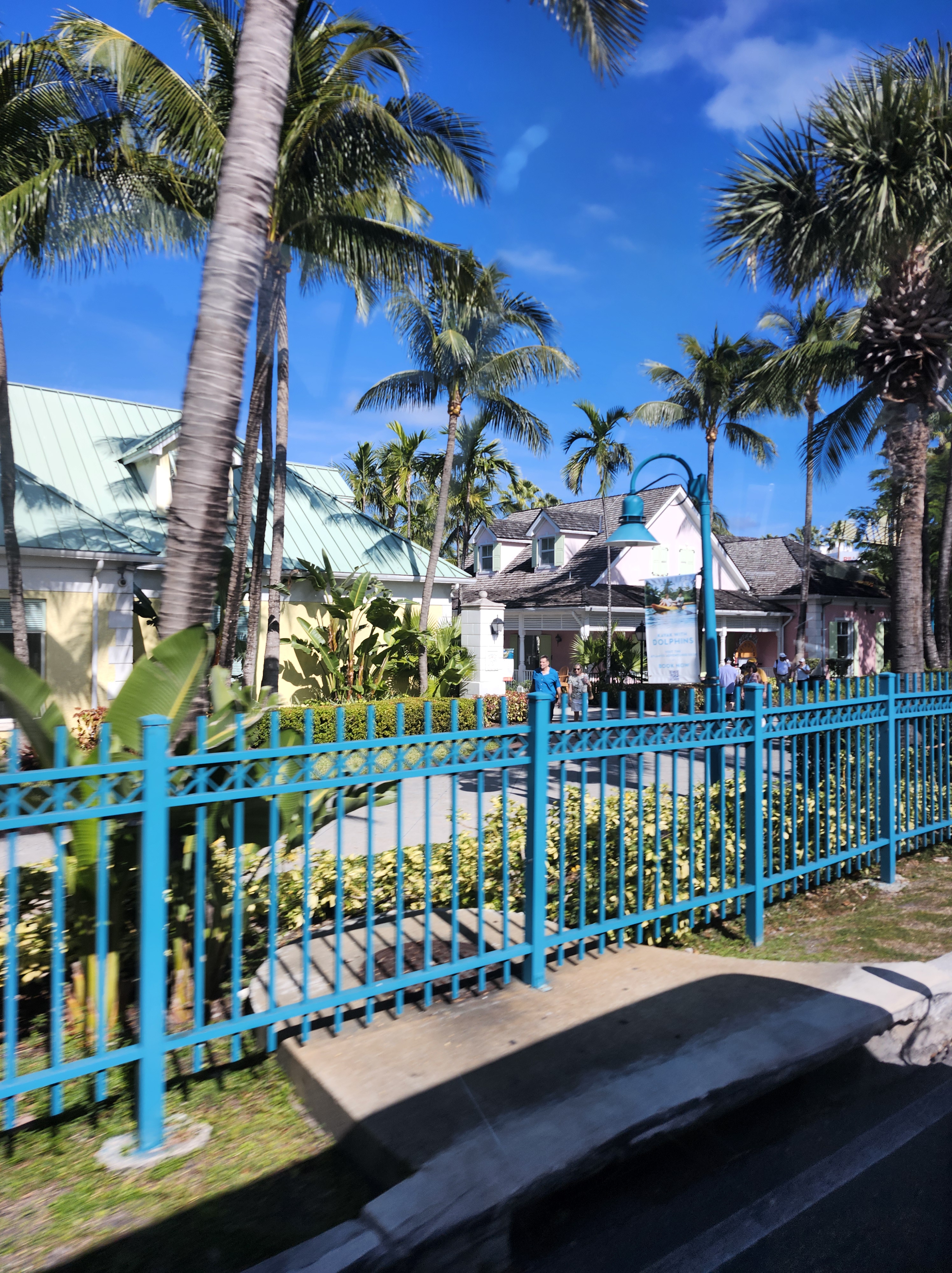
Don’t miss the Paradise Island Straw Market—a cozy, colorful enclave where artisans greet you with warm smiles and a dazzling array of handmade Bahamian crafts. Though more intimate than its downtown counterpart, this market bursts with creativity: straw hats, handwoven baskets, vibrant jewelry, and whimsical wood carvings fill every stall. The personal touch of each vendor makes souvenir shopping feel like a friendly island ritual.
I couldn’t resist picking up a hand-braided bracelet for about $20, its turquoise beads echoing the brilliant hues of the Bahamian sea. Every time I glance at my wrist, I’m transported back to the sunlit bustle of the market, surrounded by laughter and the gentle strumming of local musicians.
IPT Tip: Whenever possible, pay in cash for your purchases—vendors appreciate it, and it helps you avoid any unexpected surprises. If you do need to use a credit card, exercise caution, as scams can happen even in paradise. Keep an eye on your card and trust your instincts.
Both Bahamian dollars and US dollars are accepted almost everywhere, making it easy for travelers to shop and dine without stress. I highly recommend bringing plenty of small bills to breeze through markets and tip generously—after all, a little kindness goes a long way on Paradise Island.
Nassau Old Town
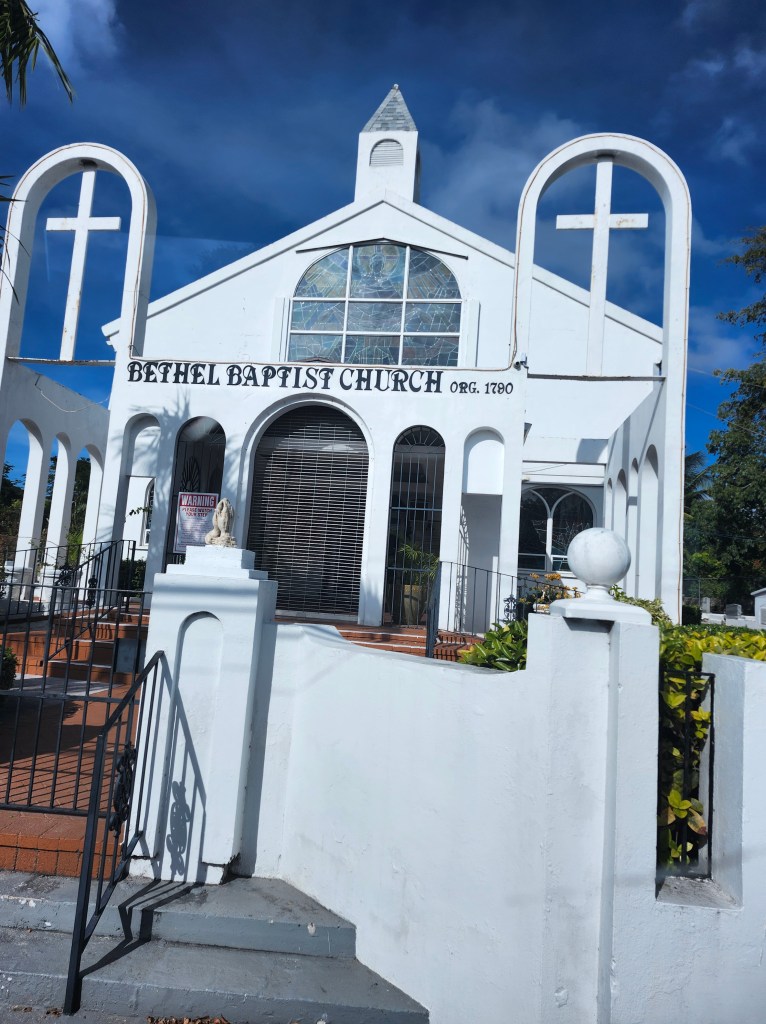
Next, I headed to the Queen’s Staircase, an awe-inspiring monument tucked away in Nassau’s lush heart. Known locally as the “66 Steps,” this stone staircase was painstakingly carved out of solid limestone by 600 enslaved people in the late 18th century, not 1974 as often mistaken. The sun-dappled steps, framed by mossy walls and cascading greenery, echo with centuries of island history. Climbing up and down is not only a workout but also a moving experience—a walk through time, where each footfall is a tribute to resilience and hope.
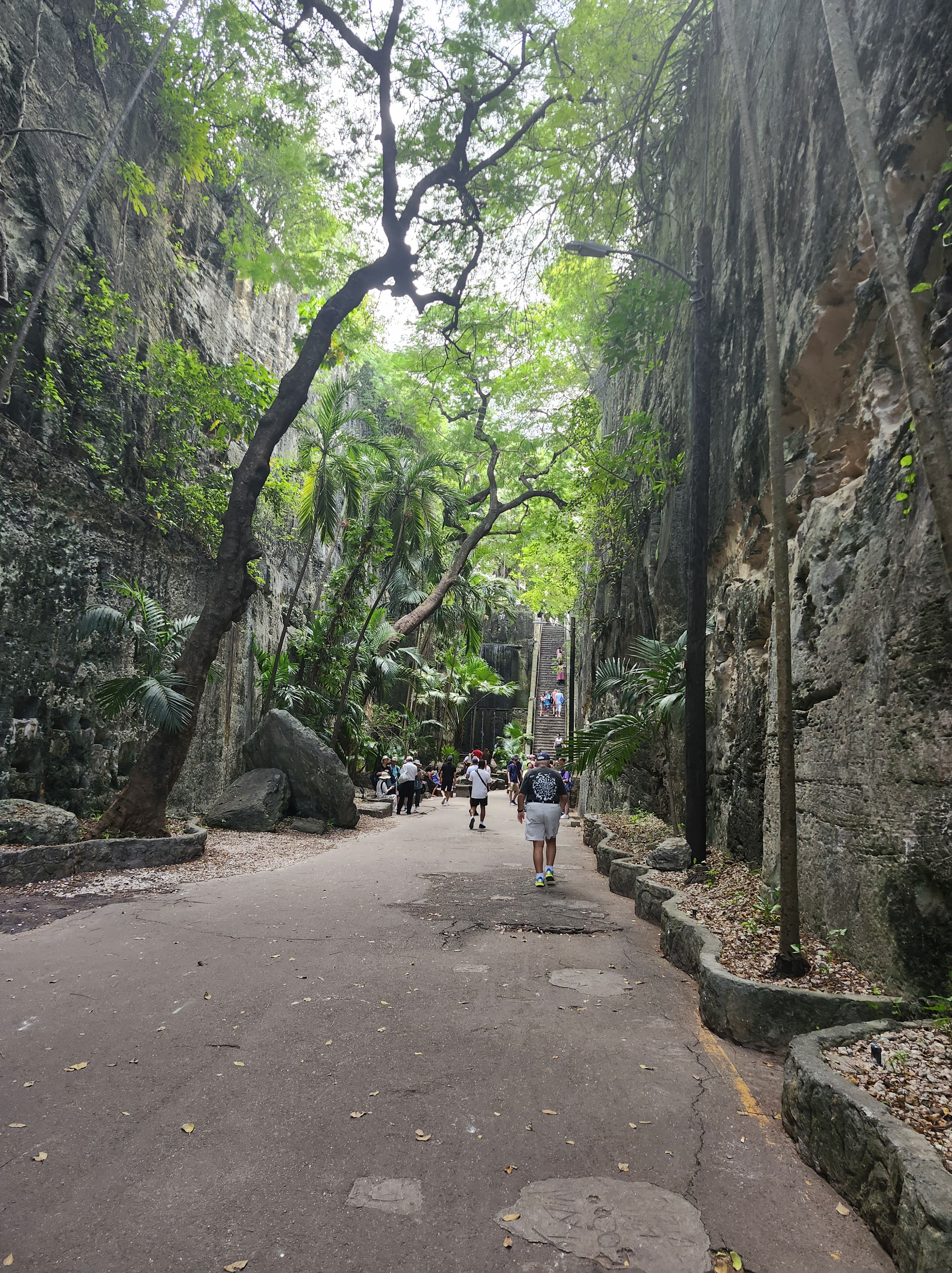
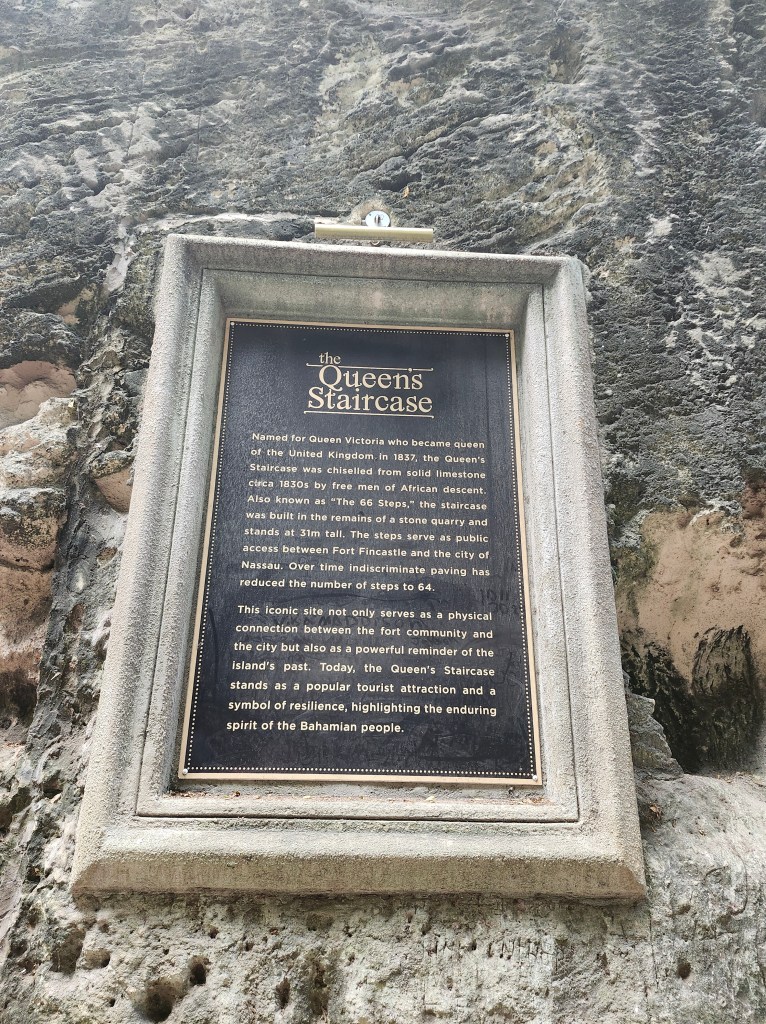
Ascending the staircase’s 102 feet, I emerged into the cool shade at the top, rewarded with sweeping views over Nassau’s colorful rooftops and bustling streets. The stairs connect to historic Fort Fincastle, and the journey upward is lined with the soothing sound of water trickling from a nearby fountain—a perfect spot to pause and reflect.
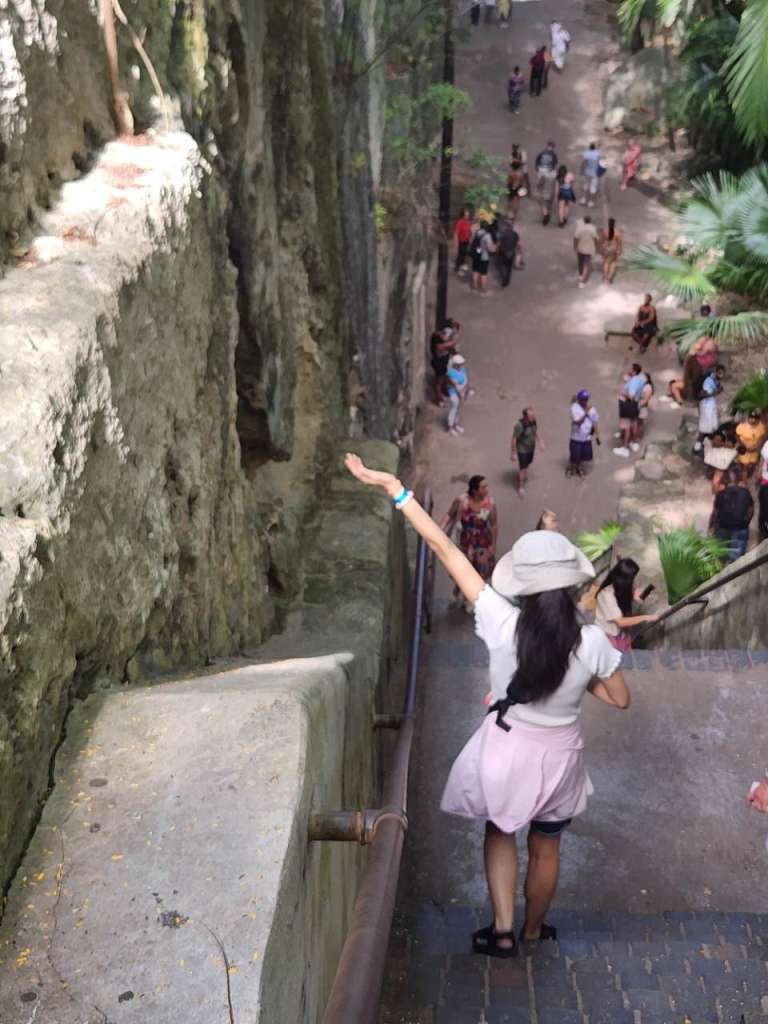
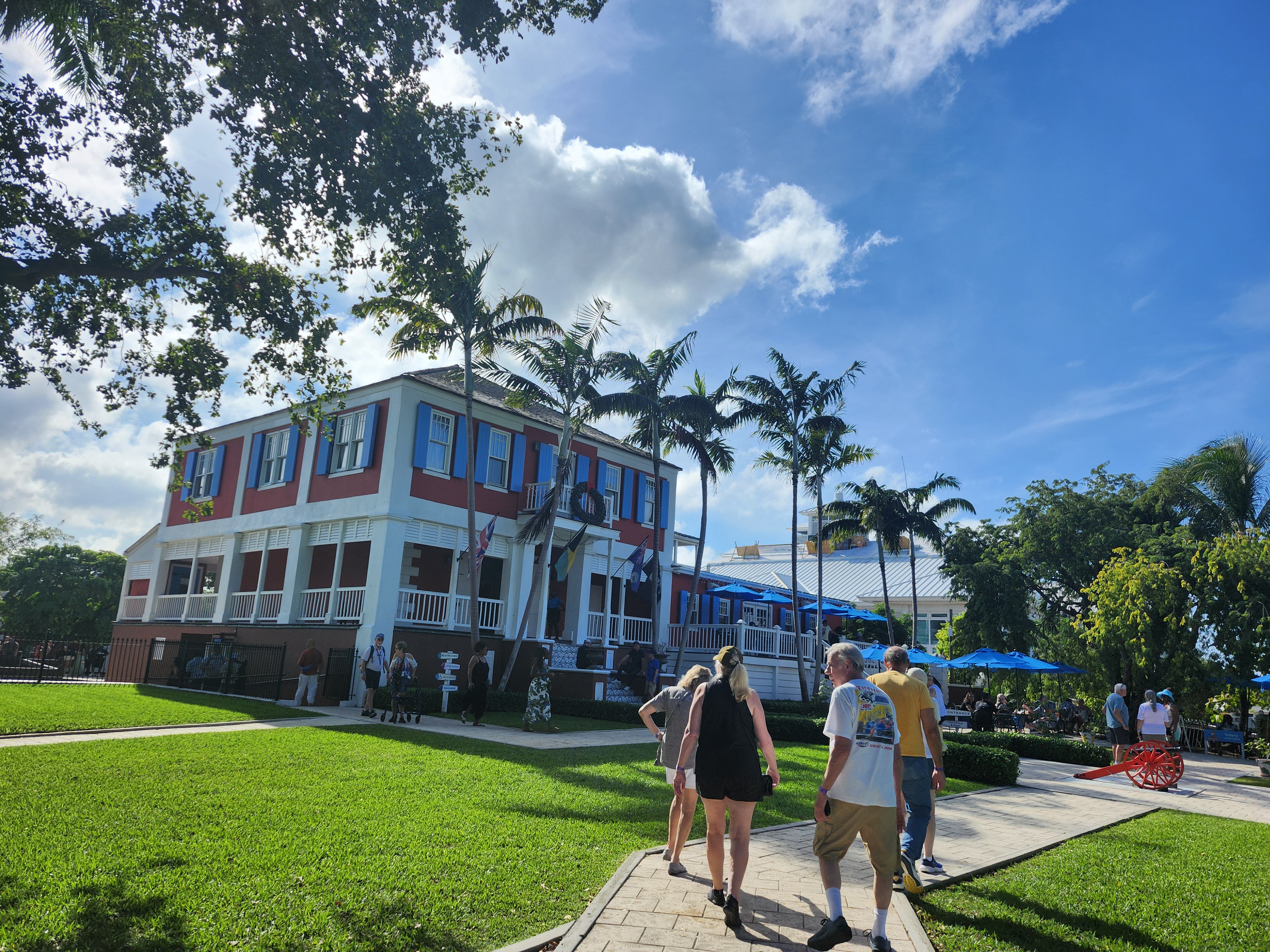
I made my way toward Fort Fincastle, a centuries-old fortress perched atop Bennet’s Hill, its stone walls once guarding Nassau from pirates and invaders. Sadly, the fort’s weathered gates were closed for renovations during my visit, leaving me to imagine cannons peering over the ramparts and the whispers of history carried on the sea breeze.
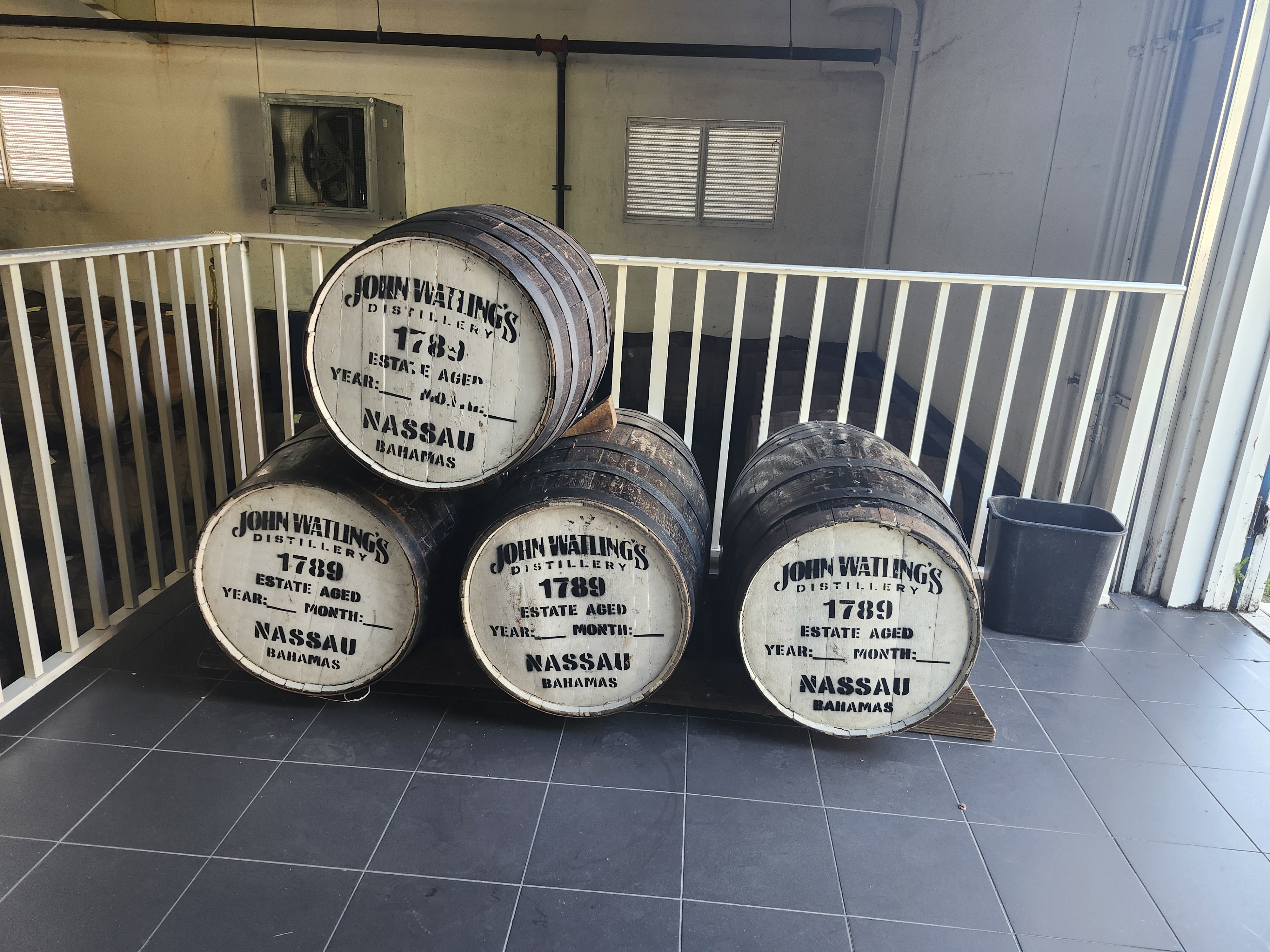
My next stop was the Nassau Rum Distillery/John Watling’s Distillery, a treasure trove for the senses. The air inside was thick with the aroma of molasses and oak barrels. Guided by a passionate distiller, I learned about the centuries-old craft of Bahamian rum-making, from sugarcane to bottle. The highlight was the tasting session—a symphony of flavors, from golden, caramel-laced rums to bold, spicy blends. Each sip told a story of island tradition and celebration.
Beach
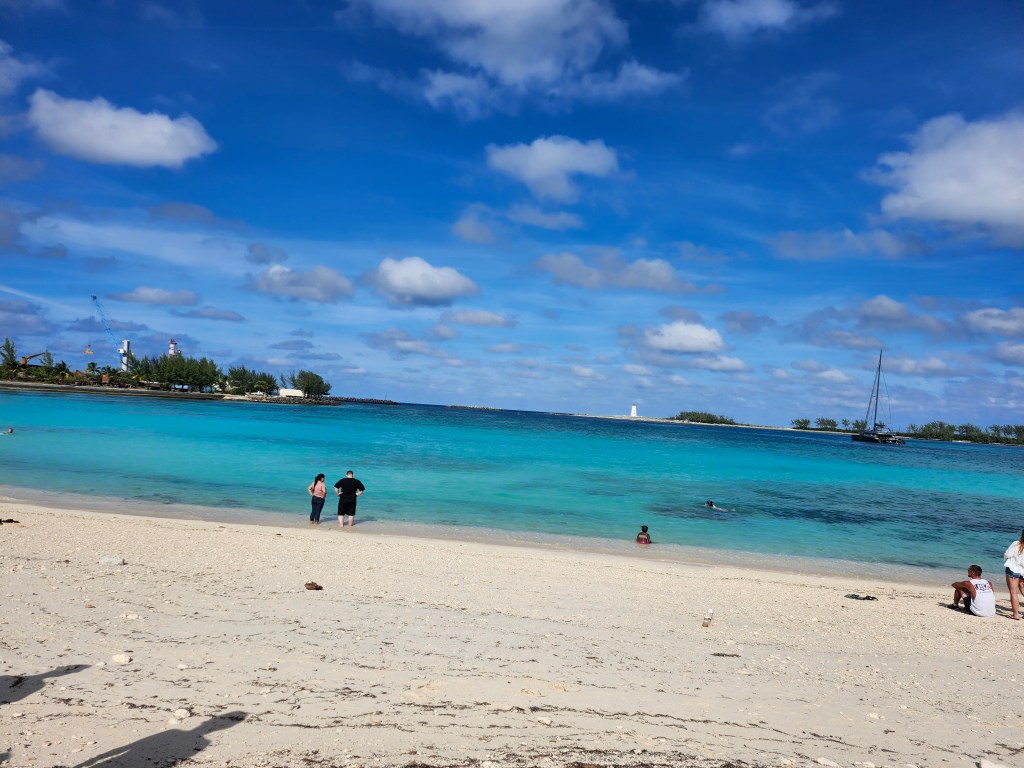
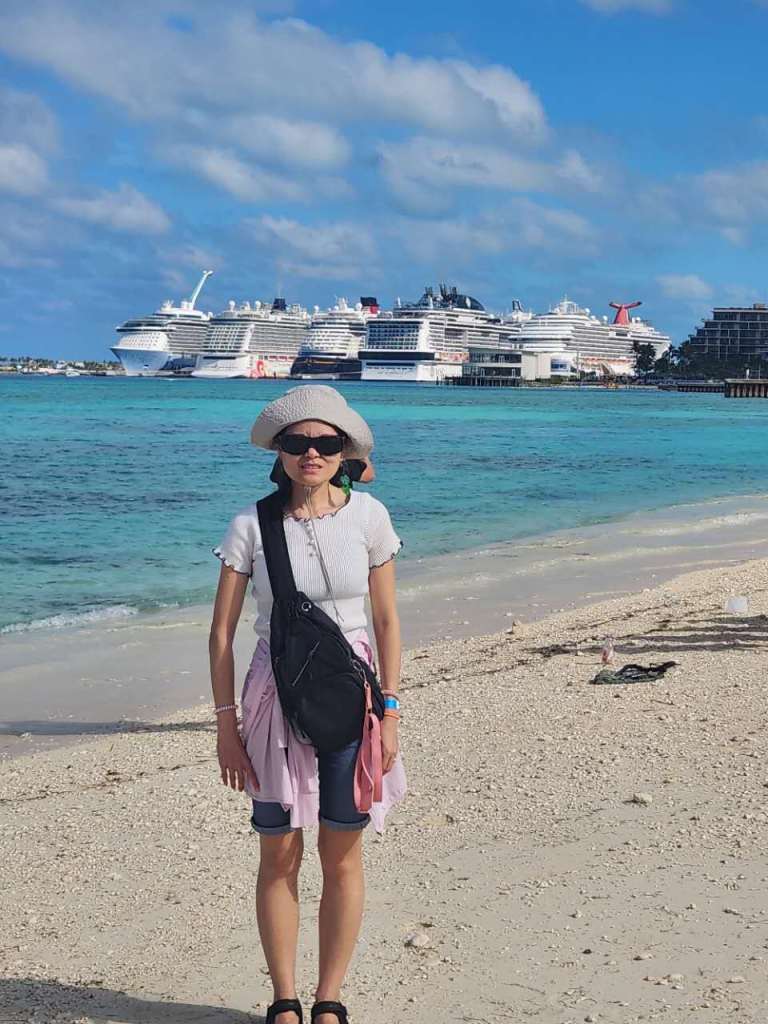
Next, I strolled onto the sun-kissed shores of Junkanoo Beach and Public Beach, where powdery white sand met the crystal-clear turquoise sea in a dazzling embrace. The gentle rhythm of waves lapping the shoreline blended with the distant laughter of fellow travelers, creating a symphony of island life. Colorful umbrellas dotted the beach, offering shade to sunbathers sipping on fresh coconut water and icy Bahama Mamas. Just offshore, majestic cruise ships floated like gleaming giants against the endless horizon, their decks bustling with anticipation. The salty breeze carried the faint aroma of grilled conch and tropical fruit from nearby food stalls. As I dug my toes into the warm sand and gazed at the aquamarine waters sparkling under the afternoon sun, I felt truly transported—a perfect snapshot of Bahamian paradise that I couldn’t wait to share with fellow adventurers.
I-Powers Travel Bahamas Tips
The Bahamas is a favorite destination for beach lovers, but safety should always be a priority. Most visitors prefer the north side of New Providence Island, particularly Nassau, as it is more developed, has a stronger police presence, and is generally considered safer than less populated islands or neighborhoods. While petty crimes like pickpocketing and bag snatching occur, violent crime is less common in tourist areas but can happen. It’s best to avoid carrying valuables, keep your belongings close, and use hotel safes when possible. At night, travel in groups, stick to well-lit and populated areas, and avoid remote locations. Always remain aware of your surroundings, trust your instincts, and don’t hesitate to ask hotel staff or locals for safety advice. Taking these steps will help ensure a safe and enjoyable visit to the islands.
Safety and crime were significant factors in planning this trip. Concerns ranged from petty theft in crowded areas to more serious incidents in certain neighborhoods. Being informed and prepared can make a big difference.
For example, areas like Over the Hill are known for higher crime rates and are generally considered unsafe for tourists both during the day and at night. To prioritize safety, I chose to remain in central Nassau, especially during the evening hours, and made sure to return to populated areas when most travelers were back on their cruise ships. Avoiding risky neighborhoods and not wandering alone after dark are essential precautions.
IPT Tip: If you must stay in the Bahamas, I recommend Nassau or nearby Nassau for safety. If you are a budget traveler like me, search for hotels to find the best deal.
When is the best time to visit?
The peak season to visit the Bahamas is November to May, when visitor numbers are highest. The shoulder season, April to May, often has the best deals. The hurricane/rainy season from May to October sees fewer tourists. Plan ahead for the best rates, whether flying or cruising.
Consider using Google Street View to get a feel for the area and ease any safety concerns. The Bahamas is on Google Maps, so you can explore in advance for peace of mind.
Here are my tips:
- Carry only essentials, such as your phone, cash, identification, water bottle, sunscreen, sunglasses, and a hat. Carrying a large backpack may attract pickpockets.
- Be sure to apply sunscreen (SPF of 30+) to exposed skin.
- Avoid displaying wealth. Keep things simple and maintain a low profile.
- Never walk or travel alone at night to guarantee your safety.
- Always look right, left, right. Signal when it’s time to cross.
- Always bring your passport when traveling to the Bahamas. It is strongly recommended for a smooth trip.
Feeling lost? Most data is accessible in the northern Bahamas, but coverage can be limited in certain areas. I strongly recommend downloading offline maps before traveling to the Bahamas.
Fun fact: The Bahamas relies heavily on its hospitality industry, with tourism, biking, agriculture, and fisheries forming the backbone of its sustainable economy. Because of this, there is a strong emphasis on environmental protection and conservation. Understanding and respecting these cultural norms is essential for visitors and residents alike, as preserving the islands’ natural beauty and resources is a shared responsibility.
Recommended: I suggest that you bring a reef-safe sunscreen, available on Amazon.
How do I get around?
Getting around the Bahamas offers several options, each with its own pros and cons. The main modes of transportation are rental cars, taxis, public buses known as Jitneys, boats, and walking. Jitneys are the local buses that serve the main routes on New Providence Island, including Nassau. They do not have set schedules or fixed stops, so you need to flag one down and let the driver know when you want to get off by calling out “Stop.” Service is generally available from 6am until about 7 pm, but buses can be slow and sometimes unpredictable, especially during busy periods. Patience is key when using public transportation.
It’s important to carry exact change for the bus fare, as drivers may not have change for larger bills. This helps avoid delays and makes the process smoother.
Confidently call out “Stop” to let the driver know where to let you off, instead of pulling the cord to signal your stop.
IPT Tip: If you’re visiting Nassau for just a day as a cruise passenger, using the jitney may not be the best option, as it can be time-consuming and may limit your ability to enjoy the sights. Instead, consider booking official cruise excursions, creating a simple DIY walking tour, or planning an itinerary with only a few activities within walking distance. Walking is often the most convenient way to see the main attractions near the port.
Taxis are widely available and can be easily arranged throughout Nassau and Paradise Island. When taking a taxi, look for licensed yellow cabs and always confirm the fare before starting your journey, as some taxis may not use meters. Taxis offer a fast and comfortable way to get around, especially if you are traveling in a group or visiting places not served by the jitney.
Boat rides and water taxis are also available for traveling between islands or visiting attractions like Paradise Island. Making a reservation in advance is recommended, especially during busy seasons, to ensure availability.
Personally, I prefer walking whenever possible, especially after arriving on a cruise ship at Nassau Port. Many top attractions—including the Straw Market, Junkanoo Beach, and the Queen’s Staircase—are within easy walking distance from the port, making it convenient and enjoyable to explore the city on foot.
For those looking for a unique experience, walking across the Sidney Poitier Bridge is a memorable activity. The bridge connects Nassau to Paradise Island and offers scenic views of the harbor. It takes about 40 minutes to walk from the cruise terminal Port to the bridge, making it a pleasant option for those who enjoy exploring on foot.
IPT Tip: If you must drive, I highly recommend a US passport. Remember that in the Bahamas people drive on the left, and my experience is that drivers are friendly, polite, and considerate to pedestrians. Plus, the driver’s side is on the right.
What is life in the Bahamas?
Life in the Bahamas is defined by a slow-paced, relaxed, and welcoming atmosphere. Locals embrace a laid-back approach to daily activities, often taking time to enjoy the moment rather than rushing. Whether shopping or handling transactions, expect a leisurely pace, so it helps to bring patience and an open mind. Social interactions are warm and genuine, with friendliness being a hallmark of Bahamian culture.
And many Bahamians speak English, so don’t be shy when meeting new people around in tourist areas.
Conclusion
In conclusion, planning a trip to the Bahamas is most rewarding when you have a clear purpose that matches your interests and desired beach experiences, while also respecting local culture. With thorough research, preparation, and patience, you can truly enjoy everything these beach destinations have to offer.

 I-Powers Travel - Tips, Tricks, and Stories