
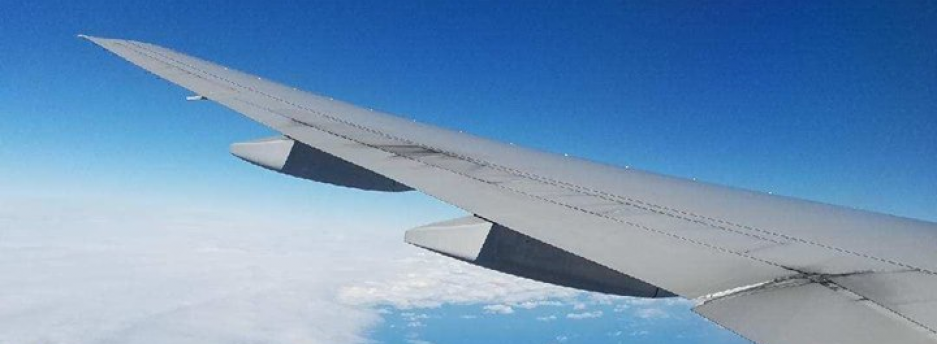
Traveling, whether for a weekend getaway or a longer adventure, is more than just a recreational activity—it’s an essential part of maintaining overall wellness. Escaping the routine of daily life and work-related stressors provides an opportunity to recharge, gain new perspectives, and foster personal growth. Each trip introduces a unique blend of excitement and learning; exploring unfamiliar places often turns into an enriching educational experience. The anticipation of discovering new cultures, cuisines, and landscapes brings a sense of joy, curiosity, and fulfillment. For me, these journeys are not just about relaxation—they are vital moments that help me thrive, enhance my mental and emotional well-being, and reconnect with myself.
Going on trips has become increasingly common in recent years, as people prioritize not only adventure but also their overall well-being. With advancements in healthcare and a general increase in life expectancy, there is a growing emphasis on maintaining healthy lifestyles, both at home and while traveling. Wellness tourism, which focuses on activities and experiences that promote physical, mental, and emotional health, has gained significant popularity. People are now more mindful of their travel choices, seeking destinations and itineraries that support relaxation, rejuvenation, and personal growth.
In my story, I described my desire for a calmer, more peaceful trip to Ithaca and reflected on how traveling with a belligerent companion—my father—often stripped away the happiness and joy that travel should bring. This experience highlighted the importance of planning trips that are tailored to the needs and preferences of the traveler, especially as people age. For older adults like my parents, it is crucial to consider not only physical limitations but also biological, mental, and emotional wellbeing when organizing travel. Factors such as mobility, dietary requirements, stress management, and opportunities for rest and reflection should all be taken into account to ensure a truly enjoyable and fulfilling journey.
It is essential to remember that your focus on wellness should take precedence, rather than prioritizing the needs or expectations of others at the expense of your own health. Taking responsibility for your well-being means being proactive in setting boundaries, communicating your needs, and making choices that support your physical and mental health throughout the journey. By prioritizing self-care, you can ensure that travel remains a positive and enriching experience, regardless of the challenges that may arise.
Below is my personal account, titled “I Wanted a Calmer Trip,” which explores the significance of maintaining a healthy lifestyle and prioritizing wellness during my journey to Ithaca. Through this narrative, I aim to highlight the lessons learned and the strategies that can help travelers cultivate a sense of calm, happiness, and well-being, even when faced with difficult travel companions or unforeseen challenges.
This story centers around the author’s experiences traveling with family, particularly highlighting the challenges of accompanying a difficult parent. While most trips were calm, one notable incident involved a tense night at a hotel caused by the father’s emotionally immature response to conflict. I reflect on coping strategies developed to handle such triggers, emphasizing the emotional toll of traveling with a belligerent family member and the importance of self-care and preparation. The narrative underscores personal growth through navigating family dynamics and the journey toward more enjoyable and independent travel experiences.
Remember Life Skills
I know that conflicts are a natural part of life, whether they occur at home, work, or in social situations. When disagreements arise, I focus on keeping my emotions in check and remind myself to stay calm. I use active listening skills, making sure to hear the other person’s perspective without interrupting. Then, I express my own feelings and needs clearly but respectfully, aiming to find common ground or a compromise. By approaching conflicts with patience and a problem-solving mindset, I am able to resolve them more effectively. As a result, the overall stress in my relationships and daily life decreases, and I feel more confident in my ability to navigate challenging situations.
It’s important to remember that raising your voice, arguing aggressively, or having emotional outbursts rarely leads to a positive resolution. Instead, these reactions can escalate the situation and make it much harder to resolve the underlying issue. As adults, managing our emotions—especially during minor disagreements—shows maturity and self-control. Taking deep breaths, pausing before responding, and choosing calm, respectful communication are much more effective strategies for resolving conflicts constructively.
There have been times when my anger has led to negative consequences, such as damaging my own personal property. For example, after a moment of frustration, I once broke something valuable to me. This incident not only resulted in an unexpected financial burden because I had to replace the item, but it also made me realize how important it is to manage my emotions before they lead to regrettable actions. Now, I try to channel anger into more productive outlets, like taking a walk, meditating, or talking through things with someone I trust.
What are the effects of going on a trip with a “belligerent” person?
Traveling with a belligerent person, such as a difficult or argumentative family member, can have pronounced negative effects on both mental and physical health. For instance, when a trip meant to promote relaxation and rejuvenation becomes a source of ongoing conflict, it can severely undermine the intended benefits. Instead of returning refreshed, you may find yourself emotionally drained, anxious, or even physically unwell. Chronic stress during travel elevates cortisol levels, weakens the immune system, and increases the risk of headaches, fatigue, and other stress-related illnesses. It’s essential to recognize that trips designed for wellness can quickly become detrimental if the travel dynamic centers around tension or unresolved conflict.
Ideally, a weekend trip should serve as a meaningful break from the pressures of daily life, allowing for relaxation and restoration. Wellness-focused travel is designed to stimulate the production of the 4 key ‘feel-good’ neurotransmitters: dopamine, serotonin, endorphins, and oxytocin. These chemicals play vital roles in reducing stress, elevating mood, and strengthening overall well-being. When a trip fails to provide these benefits—often due to interpersonal stress or poor planning—the consequences can be far-reaching. Without these positive experiences, there is a real risk of declining mental health, persistent stress, and a loss of motivation or joy in everyday activities. This makes purposeful, wellness-centered trip planning crucial for maintaining quality of life.
The aftermath of a stressful trip manifested itself in my work performance. I found it increasingly difficult to focus, frequently taking unscheduled breaks and losing motivation to complete my tasks. My co-workers began to notice my lack of engagement and even had to remind me to return to my workstation. The risk of disciplinary action, such as reprimands for taking excessive breaks, became a real concern. This underscores how unresolved travel stress can spill over into other areas of life, affecting professional responsibilities and overall productivity.
To cope with the lingering stress, I slipped into a series of unhealthy habits. Emotional eating became my go-to response, as I sought comfort in junk food and neglected healthy meal choices. I found myself avoiding responsibilities, rationalizing excessive leisure time as compensation for the energy I lost during the trip. These behaviors led to noticeable weight gain—5 pounds in a short period—and a visible increase in abdominal fat. This is not only a cosmetic concern but also a health warning, as increased belly fat is closely linked to higher insulin resistance and a heightened risk of developing prediabetes. The potential costs associated with medical treatment for such conditions are significant, and these maladaptive coping strategies ultimately worsen stress rather than resolve it.
The physical manifestations of stress quickly became apparent. I suffered from persistent headaches and overwhelming fatigue, which made it difficult to maintain my daily routines. The constant worry led me to spend more time in front of screens, further contributing to eye strain and exacerbating my insomnia. This cycle of sedentary behavior, poor sleep, and ongoing anxiety resulted in several days lost to low productivity and poor health. Such symptoms highlight the interconnectedness of mental and physical wellness, and the importance of proactively addressing sources of stress before they escalate.
As the stress persisted, its effects on my immune system became clear. At times, my immune response felt overactive, resulting in moderate allergies and frequent bouts of fatigue without a clear cause. On other occasions, my immune system seemed suppressed, leaving me more susceptible to common illnesses and prolonging recovery times. Managing these symptoms required medication and additional healthcare expenses. These experiences reinforced my commitment to adopting a lifestyle—and planning trips—that prioritize stress management and holistic wellness, so I can avoid unnecessary health setbacks in the future.
In conclusion, as a mature adult, I have learned that prioritizing my well-being and making independent decisions is both a responsible and cost-effective approach to life. Avoiding situations or individuals—such as parental suggestions—that consistently trigger stress allows me to focus on activities that genuinely support my health and emotional balance. Even when faced with parental disagreement or skepticism about my choices, I have found it essential to advocate for myself and set boundaries. For instance, I recently booked a week-long trip abroad, despite my parents’ concerns about my financial decisions and personal responsibility. This act of self-advocacy not only reflected my commitment to wellness but also demonstrated my ability to manage my own life in a way that nurtures lasting well-being.
Here is my article about why I prefer traveling without a belligerent person.
How can I help make the trip calmer?
In my experience, choosing not to travel with a belligerent family member—like my father—has a substantial impact on the quality of the trip. As people age, their mental, physical, and emotional capacities change significantly. Older adults may become less tolerant of stress, conflict, or disruptions to their routines. Traveling with someone who is argumentative or difficult not only increases stress but also diminishes the chances of creating positive, lasting memories. It’s important to recognize that opportunities for truly calm and enjoyable trips become rarer as family members age, making thoughtful planning and consideration of travel companions essential for future well-being and happiness.
It’s important to acknowledge that some degree of stress, especially when resolving minor conflicts, is a normal part of life and doesn’t necessarily have a lasting impact. However, when the people involved lack effective conflict resolution skills—as I experienced during my stay at the hotel—the resulting tension can be overwhelming. Poorly managed conflict can quickly escalate, leading to emotional distress, disrupted sleep, and a decline in both physical and mental wellness. In my case, repeated arguments and unresolved issues left me feeling exhausted, anxious, and unable to fully enjoy the trip. This highlights the critical need for all travelers to develop healthy communication and conflict management strategies before embarking on group trips.
With these lessons in mind, I now realize the importance of early and intentional planning for future trips. Taking the time to reflect on past experiences allows me to identify what did and didn’t work, and to set clear priorities for the next journey. This process includes discussing travel expectations, setting boundaries, and making decisions collaboratively with family members. By starting preparations well in advance, I can ensure that next year’s trip will be more enjoyable, less stressful, and tailored to the needs and preferences of everyone involved.
Early in the morning, around 6:33 AM, as I woke up in the hotel room, I decided to use artificial intelligence to create an image of myself enjoying a day at Gardens by the Bay. This act of visualizing a positive travel experience, even if only virtually, boosted my mood and gave me a sense of excitement for the possibilities ahead. Sharing this AI-generated picture with friends and family on WeChat provided a way to express my aspirations for a happier, more peaceful trip. It also served as a gentle reminder to myself of the kind of experiences I want to cultivate and the importance of focusing on the positive aspects of travel.
After breakfast at the hotel and some time spent resting in the room, my parents encouraged me to take greater responsibility for my own travel experiences. They suggested that I consider planning a solo trip, emphasizing the importance of self-reliance and personal growth. By doing so, I could avoid the triggers that cause stress and have more control over my itinerary and activities. This approach also lets me prioritize my wellness, ensuring my mental and emotional health and my spirituality are protected throughout the journey. Learning to recognize and manage my stress, rather than letting it dictate the outcome of the trip, is a crucial step toward more fulfilling travel experiences.
Just 2 hours after our discussion, my parents expressed their support for my decision to plan a solo trip abroad. They emphasized the importance of choosing safe destinations, which reassured them and allowed them to feel comfortable with my plans. The prospect of embarking on a week-long journey in April 2027 fills me with anticipation and a renewed sense of independence. This milestone marks a significant step toward personal growth and demonstrates the value of open communication and compromise within my family.


Traveling and exploring new places have proven to be essential strategies for managing stress and promoting overall wellness in my life. Recognizing this, my parents and relatives ultimately came to support my decision to adopt this lifestyle. They also acknowledged that traveling with my brother, who is neurodivergent and has greater cognitive challenges, requires additional planning and support. For safety and comfort, they recommended that at least 2 adults accompany him, especially for overnight stays in hotels. This arrangement is not about being overprotective or selfish but rather about respecting everyone’s boundaries and ensuring that travel remains a positive and manageable experience for all involved. By focusing on wellness and thoughtful planning, our family is better equipped to handle the unique needs of each member while still enjoying the many benefits of travel.
Reasons why I opted for solo travel
As my parents grew older, I noticed significant changes in both their mental and physical health. Their increased vulnerability to illness and frequent fatigue often disrupted our travel plans. Each trip required constant adjustments for medical appointments or recovery days, making it difficult to enjoy or plan memorable experiences. Over time, I realized that I could not—and should not—take on the full responsibility of resolving these challenges by myself.
With my parents approaching retirement, I found myself less in need of their supervision and support when traveling. At the same time, my neurodivergent (lower level functioning) brother received appropriate care from state-supported programs and part-time caregivers, which allowed him to maintain a level of independence at home. This arrangement reassured me that both my brother’s needs and my own desire for autonomy could be balanced without guilt or worry during my travels.
I am the founder and owner of my personal brand, “I-Powers Travel.” Through this platform, I manage a well-established blog that offers detailed travel itineraries and wellness tips to a growing audience. I have also carved out a niche by occasionally exploring topics related to neurodiversity and accessible travel, which has helped the blog build a reputation for inclusivity, expertise, and authenticity in the travel community.
Solo travel rejuvenates me and brings immense joy, restoring a sense of wellness that I had been missing. The freedom to design my own journeys, explore new places at my own pace, and focus on personal growth has been transformative for my mental and emotional well-being. Each adventure not only recharges me physically but also inspires creativity, self-discovery, and lasting happiness.


